


Basic Principles of Teddy Dog Training
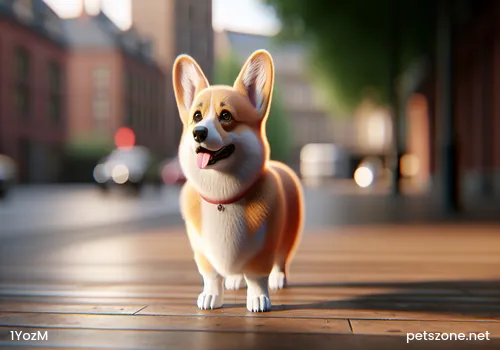
The basic principles of training Teddy dogs require practical emphasis, so that training can proceed step by step, allowing the Teddy to gradually adapt!
(1) Step-by-step, from simple to complex
Training a dog cannot aim for success in one attempt; sometimes it takes dozens or even hundreds of repetitions depending on difficulty. Generally, start with easy tasks, then progress gradually; some combined actions need to be trained separately before merging. For example, when performing a bow while barking, it should be broken down into three steps: standing, waving, and barking.
Training is divided into the following three stages.
The first stage is training in a quiet environment. Use verbal commands and hand gestures as guidance to help the dog perform the required actions. Rewards should be given upon completion.
The second stage is training in a slightly more complex environment (such as when other people are present), continuing in the previous manner. If the dog can complete the actions, reduce reflex cues (such as issuing only verbal commands without hand gestures) in addition to rewards, until the action is completed.
The third stage is training in a complex environment (such as places with many pedestrians or other dogs), giving verbal commands until the action is completed.
(2) Different dogs require different treatments
Although dogs have generally similar physical structure and living habits, their personalities differ greatly. These differences determine training success or failure. If the dog's personality is not understood, blind training will likely fail.
1. Excitable dogs
These dogs are easily excited; this trait should be utilized and stimulated, while also cultivating their self-control.
2. Lively dogs
These dogs have strong excitation and inhibition processes and switch flexibly. Both excitatory and inhibitory reflexes form quickly during training. Improper methods may lead to adverse associations, so special attention to techniques and appropriate methods is necessary.
3. Quiet dogs
These dogs are not easily excited, often adapting to different environments, but the reflex from calm to active builds slowly and should be the focus of training.
4. Passive defensive response dogs
These dogs are easily frightened and show strong reactions to punishment and scolding during training, often attempting to avoid. Therefore, a kind attitude and many rewards are required during training, especially addressing fear psychology. For dogs only afraid of animals, fear "treatment" can be conducted after completing the first stage of training.
5. Dogs with distracted attention
These dogs are easily affected by environmental changes during training. For such dogs, familiarize them with the training area first, then proceed with training. Regular exposure to new environments and increasing walking times and locations are recommended.
6. Dogs with strong food response
These dogs accept food rewards easily; food can activate enthusiasm and consolidate training results. However, for police dogs, additional training to restrain from taking others' food is necessary.
7. Aggressive and combative dogs
These dogs basically have high excitability and should have mechanical stimuli strengthened appropriately to invoke their inhibitory processes. Strict requirements in management training are necessary, including strengthening attachment, obedience, and bite control training to fully utilize their strengths. However, prevent indiscriminate biting of people or animals. For a few dogs that are aggressive but timid, exercises should be increased to avoid overstimulation and gradually make the dog bolder. Additionally, there may be other types of dogs encountered; the training principle for them is to highlight strengths and avoid weaknesses, skillfully applying conditioned and unconditioned reflex stimuli and gradual improvement methods in training.