

Symptoms of Cat Gastroenteritis_Common Signs of Cat Gastrointestinal Discomfort
Cat gastroenteritis is a common digestive system disease, mainly manifested by vomiting and diarrhea, which makes cat owners very distressed. There are many causes of cat gastrointestinal discomfort, ranging from simple dietary mistakes to more serious infections or underlying diseases. Understanding these common signs helps us detect problems timely and take proper care measures to help cats recover their health and vitality quickly.
What are the common signs of cat gastrointestinal discomfort?
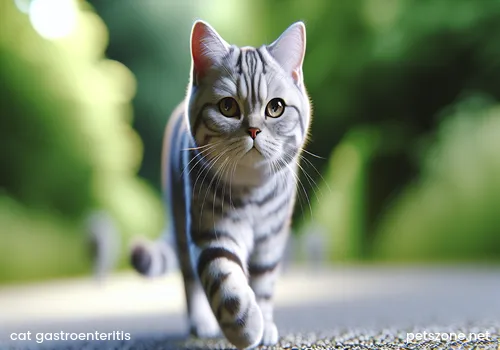
The symptoms of cat gastrointestinal discomfort are varied, among which the most typical and easily noticeable are vomiting and diarrhea. But besides these two "obvious symptoms," there are other signs that may also indicate cat gastrointestinal problems.
- Vomiting: Vomiting is one of the most common symptoms of cat gastrointestinal discomfort. Vomitus may contain undigested food, yellow bile (especially when fasting), foamy liquid, or even blood streaks. It is worth noting that occasional hairball vomiting is a normal physiological phenomenon, but if vomiting is frequent, persistent, or accompanied by other symptoms, caution is needed.
- Diarrhea: Diarrhea refers to cats passing unformed, loose, or watery stool. The frequency of diarrhea may increase, and the stool odor may become foul. Severe diarrhea may lead to blood in the stool, with color turning dark or containing blood streaks and clots. Persistent diarrhea can easily cause dehydration and electrolyte imbalance in cats.
- Depression/Lethargy: Sick cats usually appear listless, have noticeably reduced activity, may avoid interacting with people, and prefer hiding. This is similar to how we feel weak and lethargic when our stomach is upset.
- Loss or refusal of appetite: Gastrointestinal discomfort causes cats to lose interest in food or even stop eating entirely. Significant changes in appetite are a symptom of gastrointestinal issues.
- Abdominal discomfort or pain: Some cats show signs of abdominal pain when experiencing gastrointestinal discomfort. They may curl up, frequently look back at their abdomen, or show resistance or vocalize when lifted or when their abdomen is touched. Severe abdominal pain may indicate a more serious problem requiring immediate medical attention.
- Frequent lip licking or drooling: This may be a sign that the cat feels nauseous and wants to vomit.
- Dehydration: Frequent vomiting and diarrhea cause significant fluid loss in cats, leading to dehydration. Signs of dehydration include decreased skin elasticity (if the skin on the back of the neck recovers slowly after being lifted slightly), dry and sticky gums, sunken eyes, etc.
- Weight loss: Prolonged loss of appetite and digestive absorption problems may lead to weight loss in cats.
- Fever: Gastroenteritis may also be accompanied by a slight increase in body temperature.
- Frequent use of the litter box: Although diarrhea is the main symptom, some cats may use the litter box more frequently when their gastrointestinal tract is irritated.
What are the possible causes of cat gastroenteritis?
The causes of cat gastroenteritis are diverse. Like "disease enters through the mouth," many causes relate to food and drink, but other potential factors also exist:
- Improper diet: This is one of the most common causes. Sudden changes in cat food, eating spoiled or unclean food, ingesting human food (especially greasy, spicy, or toxic to cats, such as chocolate, onions, etc.), eating too fast or too much (especially kittens) may all cause gastrointestinal discomfort.
- Infection: Bacterial (such as Salmonella, Escherichia coli), viral (such as feline panleukopenia), fungal, or parasitic infections can all lead to gastroenteritis. Especially in kittens, their weaker immunity makes them more susceptible to infections.
- Ingesting foreign objects: Curious cats sometimes swallow strange items like threads, fabric strips, or small toys, which can stimulate or block the intestines, causing vomiting and diarrhea.
- Food allergies or intolerances: Some cats may be allergic or intolerant to specific food ingredients; even food they normally eat can suddenly cause digestive problems.
- Other health problems: Some systemic diseases may also present gastrointestinal symptoms, such as pancreatitis, liver disease, kidney disease, hyperthyroidism, diabetes, etc.
- Stress or environmental changes: Cats are sensitive animals; sudden changes in environment, moving house, or new family members may cause anxiety and lead to gastrointestinal discomfort.
- Weather changes: Especially during seasonal transitions, sudden temperature changes may affect cats' gastrointestinal health. Food spoilage in summer is also a factor.
When should you take your cat to the vet?
Although mild gastrointestinal discomfort may resolve on its own, if your cat has any of the following conditions, it is recommended to take it to the vet immediately:
- Vomiting or diarrhea lasting more than 24-48 hours.
- Severe and frequent vomiting or diarrhea.
- Blood in vomitus or stool.
- Cat is extremely lethargic, not eating or drinking.
- Obvious signs of dehydration.
- Abdominal tenderness or apparent severe abdominal pain.
- Besides gastrointestinal symptoms, accompanied by fever, weight loss, or other abnormalities.
- Kittens or elderly cats with gastrointestinal problems, as they dehydrate more easily and have weaker immunity.
- Suspected ingestion of toxic substances or foreign objects.
The veterinarian will diagnose the cause and develop a treatment plan through history inquiry (detailed understanding of the cat's medical history, diet, recent activity, etc.), physical examination (checking dehydration status, abdominal pain or bloating, etc.), and possibly diagnostic tests (such as blood tests, biochemical tests, fecal examination, X-ray, ultrasound, etc.).
Care and treatment for cat gastroenteritis
The veterinarian will provide a treatment plan based on the cat’s specific condition, possibly including:
- Fasting and withholding water: In some cases, to give the gastrointestinal tract a rest, the vet may advise temporarily withholding food and water.
- Fluid therapy: For dehydrated cats, fluid therapy is an important treatment method to replenish water and electrolytes.
- Medication: Depending on the cause, the vet may prescribe antiemetics, antidiarrheal drugs, antibiotics (for bacterial infection), dewormers (for parasitic infection), or other symptomatic medications. Never give cats human medicines without veterinary advice.
- Diet adjustment: When the cat’s condition improves, the vet might recommend easily digestible prescription food or bland homemade food (such as boiled chicken breast, rice porridge), fed in small frequent portions. Gradually transition back to normal diet.
- Probiotics and digestive enzymes supplementation: Probiotics help restore intestinal flora balance, and digestive enzymes aid digestion.
Frequently Asked Questions
- Why does my cat vomit yellow liquid? Cats vomiting yellow liquid usually vomit a mixture of stomach acid and bile, especially on an empty stomach. This may be caused by hunger and excessive stomach acid producing fasting vomiting.
- What to do if my cat has diarrhea with blood? If your cat has bloody diarrhea, the intestinal inflammation may be severe or involve bleeding. Immediate veterinary diagnosis and treatment are necessary.
- Will cat gastroenteritis heal on its own? Mild gastrointestinal discomfort sometimes resolves on its own, but if symptoms persist, worsen, or the cat’s spirit is poor, waiting is not advised; seek veterinary care promptly.
- How much does cat gastroenteritis treatment typically cost? Treatment costs vary based on severity, required tests, treatment plans, region, and veterinary clinic fees. It can range from a few hundred to several thousand yuan or more. Simple outpatient treatment costs less, but hospitalization, fluid therapy, or complex testing raise costs significantly.
- How to prevent cat gastroenteritis? Prevention includes providing clean, fresh food and water, avoiding sudden dietary changes, not feeding human food or toxic substances, regular deworming, keeping the living environment clean, preventing ingestion of foreign objects, reducing stress, and regular veterinary checkups. Providing high-quality, easily digestible cat food and appropriate probiotics also helps maintain intestinal health.
In summary, cat gastroenteritis is a condition requiring attention. As responsible cat owners, we should closely monitor our cats’ health, understand common gastrointestinal discomfort signs, and seek professional veterinary help when needed to ensure our "fur babies" grow up healthy and happy.
-560x560.webp)