

Lifetime of Pet Cats_How Many Years Do Indoor Cats Typically Live
For us cat owners, the greatest wish is for the home "master" to accompany us for many years, so the problem of a cat's lifespan has always been a focus of attention. So, how many years can indoor cats typically live? Generally speaking, the average lifespan of indoor cats is about 12 to 16 years, but with meticulous care, many cats can live beyond 20 years, and the longest-lived cat in history even reached an astonishing 38 years.
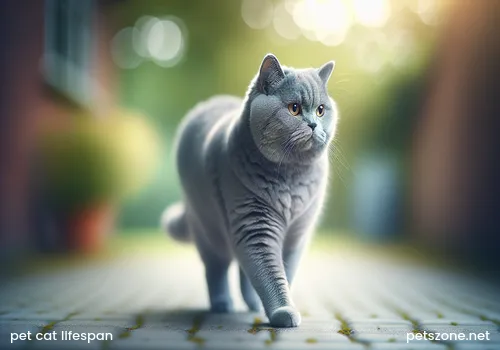
The lifespan of a cat is not a fixed value; it is influenced by a combination of factors such as genetics, living environment, diet habits, and medical care, just as human lifespans vary among individuals.
Cat "Life" Stages and Average Lifespan
Understanding a cat’s life stages helps us better grasp their needs at different periods. A cat’s life can roughly be divided into the following stages:
- Kitten Stage (0-6 months): At this stage, cats are equivalent to human infants and children, growing rapidly and very curious, requiring adequate nutrition and good socialization training. A 1-month-old kitten roughly equals a 1-year-old human, while a 6-month-old kitten equates to a 9-year-old human.
- Adolescence (6 months-2 years): Cats reach sexual maturity at this stage, with body development approaching completion and full of energy. A 1-year-old cat is comparable to a 15-year-old human, and a 2-year-old cat equates to a 24-year-old human.
- Adulthood (3-6 years): The "golden period" for cats, when physical functions are at their peak and personality is basically set.
- Maturity (7-10 years): Cats enter middle age, equivalent to humans in their 40s to 50s. Their activity levels may decrease, and they tend to gain weight.
- Senior (11-14 years): Cats enter old age, with gradually declining bodily functions and greater susceptibility to health problems like arthritis and kidney disease.
- Geriatric (15 years and above): Some cats live to 15 years or even beyond 20 years, usually requiring more detailed care and regular veterinary check-ups.
According to various studies and data, the average lifespan of indoor cats ranges between 12 to 16 years. For example, data from the American Veterinary Medical Association (AVMA) shows the average lifespan of domestic cats is about 12 to 16 years. Japan’s Pet Food Association’s 2023 survey reported the average cat lifespan at 15.79 years. In contrast, stray cats live much shorter lives, averaging only 3 to 5 years. This large disparity is largely due to the stability and safety provided by a home environment.
Seven Key Factors Affecting Cat Lifespan
The length of a cat’s life is no coincidence; it is affected by multiple internal and external factors. As owners, understanding these factors allows us to better safeguard our cats’ health and longevity.
- Lifestyle: Indoor Cats vs Outdoor Cats
This is one of the most significant factors influencing a cat’s lifespan. The saying "cats have nine lives" is just a joke; in reality, "the outside world is exciting but also harsh." Cats living indoors long-term typically live 12–18 years on average, with some reports indicating 20 years or more. Outdoor cats usually live only 2–5 years on average.
This is because the outdoor environment is full of risks:- Traffic Accidents: Vehicles are a primary cause of death among stray cats.
- Diseases and Parasites: Contact with feral cats or other animals makes cats vulnerable to deadly diseases such as feline panleukopenia, feline AIDS (FIV), feline infectious peritonitis, and facilitates infestation by fleas, ticks, ear mites, and intestinal parasites.
- Predators and Fights: Wild predators (like stray dogs and wildlife) and territorial fights among cats can cause serious injuries or death.
- Extreme Weather and Toxic Substances: The outdoors can be harsh, with extreme heat or cold stressing cats greatly; eating roadside food or exposure to toxic chemicals can be fatal.
Of course, indoor cats are not automatically "immune." They require owners to provide sufficient playtime, climbing space, and mental stimulation; otherwise, they may become obese, bored, or even depressed, all of which negatively affect health and lifespan.
- Genetics and Breed
A cat’s lifespan is also related to its "bloodline." Generally, mixed-breed cats (domestic shorthairs) have more genetic diversity and typically live longer than purebred cats. This is because purebreds often undergo inbreeding to maintain pedigree purity, which can increase the risk of certain genetic diseases. For example, studies point out Burmese and Birman cats tend to live longer, while hairless cats (Sphynx) have relatively shorter lifespans. - Spaying/Neutering
Spaying and neutering have a significant positive impact on a cat’s lifespan. Research shows that sterilized cats generally live longer than intact cats.- Increased Lifespan: For instance, a report involving millions of cats showed neutered male cats live on average 62% longer than intact males, and spayed females live 39% longer than intact females.
- Reduced Disease Risk: Spaying/neutering greatly lowers the risk of reproductive system diseases such as pyometra, mammary tumors, and ovarian tumors in females, and testicular cancer and prostate issues in males.
- Improved Behavior: Spaying/neutering reduces behavioral issues related to heat, including agitation, inappropriate urination, yowling, running away, and fighting, indirectly lowering the risk of injury or illness.
- Nutrition and Weight Management
"Disease comes from the mouth"—a cat’s diet directly impacts its health and longevity. Providing balanced, high-quality cat food is essential, especially choosing formulas appropriate for the cat’s age and stage (kitten, adult, senior) and any special needs.- Avoiding Obesity and Underweight: Excessive obesity increases the risk of diabetes, arthritis, heart disease, and more, while underweight may indicate malnutrition; both shorten lifespan. Maintaining ideal weight is as important as the human saying "watch what you eat and move more."
- Adequate Hydration: Sufficient water intake is crucial for kidney health. Some cats naturally dislike drinking water; offering flowing water (water fountains) or wet food can increase hydration.
- Regular Veterinary Checkups and Vaccinations
Prevention is better than cure, and this applies to cats too. Regular health checks (at least once a year, or twice a year for senior cats) help veterinarians detect potential health issues early and intervene timely.- Vaccinations: Timely vaccination effectively prevents several fatal infectious diseases like feline panleukopenia and feline viral rhinotracheitis.
- Parasite Control: Regular deworming prevents parasite infestations harmful to cats.
- Oral Health: Dental problems are common in older cats; periodontal disease affects eating and allows bacteria to enter the bloodstream, impacting heart and kidney health. Regular brushing and professional dental cleaning are crucial.
- Environment and Mental Health
Cats are sensitive animals; a safe, comfortable, and stimulating environment is essential for their psychological well-being. Cats under chronic stress, anxiety, or depression may have weakened immunity and are prone to illness.- Security: Provide hidden resting spots and high lookout points to give cats a sense of safety.
- Mental Stimulation: Enrich the environment with toys, cat trees, scratching posts to simulate hunting instincts and prevent boredom.
- Interaction: Spend time daily playing with cats and grooming to strengthen bonds and promptly spot health abnormalities.
- Gender
Interestingly, similar to humans, female cats generally live longer than males. Although the exact reasons are unclear, it could be related to physiological structure, behavior patterns, and hormonal influences of females.
Tips for Cat Owners: Let Your “Master” Stay With You Longer
Having discussed many influencing factors, what can cat owners do to help their "masters" live longer?
- "Stay Healthy Indoors": Keep cats indoors as much as possible; this is the most direct and effective way to prolong lifespan. If you want your cat to experience the outdoors, try secure, controlled cat enclosures (cat litter areas) or leash walks, but always ensure safety.
- Scientific Feeding: Choose high-quality cat food suited to your cat’s age and health status. Control portion sizes to avoid obesity or underweight conditions. For example, adjust adult cat feeding amounts per package recommendations and activity level. Consult a vet for weight loss plans if your cat is obese.
- Fresh Water Always: Ensure cats have access to fresh, clean drinking water at all times. Trying cat water fountains is helpful as flowing water attracts cats.
- Regular Vet "Checkups" Are Essential: Take your cat to the pet hospital like you regularly have checkups. Conduct a comprehensive health examination yearly and keep vaccinations and deworming current. For senior cats, more frequent checkups (every six months) are advisable for early detection and control of diseases.
- Spaying/Neutering Is a "Longevity Charm": Perform spaying/neutering at the appropriate age, not only to control stray cat population but also to significantly reduce risks of reproductive diseases and promote long-term health. It is generally recommended to spay/neuter before sexual maturity, around 5-6 months old.
- Oral "Defense War": Pay attention to oral health. Brush your cat’s teeth regularly and develop this habit early. If bad breath or red swollen gums occur, promptly take your cat to the vet for professional examination and dental cleaning.
- Mental "Massage": Spend quality time with your cat, playing with laser pointers and cat toys to satisfy hunting instincts. Provide cat trees and scratching posts so they have places to scratch, climb, and survey. If your cat exhibits abnormal behaviors like loss of appetite, excessive licking, hiding, these may signal psychological stress and should warrant veterinary or behaviorist assistance.
Frequently Asked Questions
Q1: How old is a 1-year-old cat in human years?
A1: The traditional "1 cat year equals 7 human years" is outdated. According to the latest cat aging charts, a cat’s first year equals approximately 15 human years. By the second year, it equals about 24 human years. After that, each additional cat year corresponds roughly to 4 human years. Thus, cats grow very fast during their youth and then their growth rate slows.
Q2: Which lives longer, purebred cats or Chinese Domestic cats?
A2: Generally, Chinese Domestic cats (mixed breed or moggies) tend to live longer than purebred cats. This is due to their greater genetic diversity which strengthens resistance to hereditary diseases. Purebred cats often undergo breeding focused on preserving pedigree, which can concentrate genetic defects, increasing disease risks.
Q3: How to care for my aging cat?
A3: Senior cats require special care. Regular senior health checks should be increased to every six months. Provide easily digestible senior cat food and consult the vet about joint supplements or fish oil. Keep them warm with soft, comfortable beds. Since activity decreases, watch for obesity or joint problems; encourage moderate exercise and provide easy ramps or steps to aid eating and litter box use. Most importantly, spend more time with them, giving love and patience.
Q4: What if my cat doesn't like to drink water?
A4: Cats naturally drink less water, which may increase kidney disease risk. Tips to encourage drinking include providing multiple water bowls in different places; use ceramic or stainless steel bowls to avoid odors from plastic; try cat water fountains for flowing water appeal; increase wet food proportion in their diet for added moisture.
Conclusion
Although the average lifespan of cats spans over a decade, every cat is unique. With scientific and attentive care that offers a safe, healthy, and loving environment, our "fur children" are more likely to exceed the average and become enviable "long-lived cat elders," accompanying us through many more wonderful times. After all, the joy they bring us can’t be measured by money—it’s truly "priceless treasures of the heart."