

Kitten's Belly Big and Swollen_Analysis of Reasons for Cat Abdominal Bloating with Normal Appetite
A kitten’s belly is big and swollen but the appetite is normal, which confuses many pet owners who wonder, “Is it overeating or illness?” In fact, there are many reasons why a kitten's belly looks round and swollen. Some are normal physiological phenomena, but others may indicate health problems requiring timely medical attention. If the kitten’s belly is swollen but the spirit, appetite, and urination and defecation are all normal, it may be due to overeating and indigestion. However, if the belly is hard, continuously enlarged, or accompanied by other symptoms, caution should be exercised.
Common Causes of a Kitten’s Big and Swollen Belly
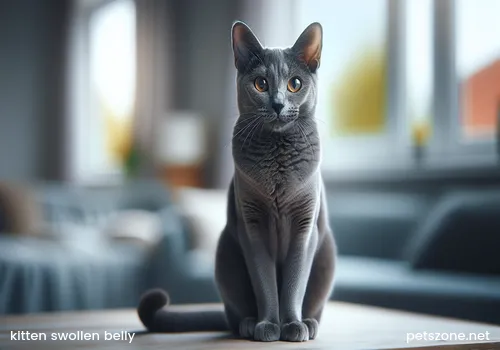
There are many reasons why a kitten’s belly looks round and swollen. Some are similar to humans being "overfull" or having a "bloated belly," which are common and easily resolved, while others require attention.
1. Diet-Related Causes
- Eating too much or too fast: Kittens, especially those weaning or with strong appetites, can easily eat a large amount of food in a short time, causing bloating and a swollen belly. It’s like humans at a buffet eating too much, resulting in a round belly. If the cat eats too fast, it may swallow too much air, worsening the bloating.
- Improper diet: Feeding kittens inappropriate food, such as kibble with excessive carbohydrates or spoiled and hard-to-digest food, can cause indigestion and gas, leading to abdominal bloating. Some kittens may be intolerant to certain food ingredients, similar to lactose intolerance in humans causing gas; this can also lead to a swollen belly.
- Mother’s milk or formula problems: For kittens not yet weaned, if the mother cat’s milk has issues (e.g., mastitis causing toxic milk), or if formula is improperly prepared or spoiled during artificial feeding, it can cause indigestion and bloating in kittens.
2. Parasites
Internal parasites are a common cause of a kitten’s big swollen belly, especially roundworms and tapeworms. A heavy parasite load in the kitten’s intestines not only steals nutrients but can also cause intestinal swelling, making the kitten look like it has a “pot belly.” Besides the swollen belly, kittens infected with parasites may have vomiting, diarrhea, weight loss or slow growth, rough and dull hair, but sometimes their appetite remains normal.
3. Constipation
Though constipation usually accompanies a decreased appetite, in some cases, if the kitten is only mildly constipated, the belly may be bloated but appetite temporarily normal. Constipation causes feces to accumulate in the intestines, causing abdominal swelling. If the kitten defecates less often, has hard stool, or shows pain during bowel movements, constipation should be considered.
4. Organ Enlargement
The enlargement of certain abdominal organs such as the liver, spleen, or kidneys can also lead to abdominal swelling in kittens. Organ enlargement may result from infections, inflammation, tumors, and other diseases.
5. Ascites (Abdominal Fluid)
Ascites refers to an abnormal accumulation of fluid in the abdominal cavity. Ascites causes obvious abdominal swelling, and the abdomen may feel soft with wave-like movement when shaken. The appearance of ascites in a kitten is a very serious signal and may be related to various diseases, with the most common and dangerous being feline infectious peritonitis (FIP), especially the wet form of FIP. Other causes of ascites include heart disease, liver disease, kidney disease, hypoproteinemia (such as severe parasite infection or malnutrition causing protein loss), and abdominal tumors.
6. Tumors or Masses
Tumors or other abnormal masses in the abdominal cavity may also cause swelling.
7. Congenital Defects
Some kittens may have congenital digestive tract malformations, such as imperforate anus or intestinal stenosis, which prevent food from passing or being excreted normally, causing bloating. Congenital kidney problems can also lead to abdominal swelling.
How to Judge Whether a Kitten’s Big and Swollen Belly Is Abnormal?
If a kitten’s belly looks round and swollen, besides observing whether the appetite is normal, pay attention to the following to determine whether immediate medical attention is needed:
- Abdominal feel: A healthy kitten’s belly is usually round and soft, especially after eating. If the belly feels hard, tense, or if the kitten resists touch or shows pain, it may not be just overeating.
- Spirit state: If the kitten has a large belly but remains lively and alert, the problem may be minor. However, if the kitten appears lethargic, sleepy, or uninterested in playing, even if appetite is temporarily normal, caution is needed.
- Other accompanying symptoms: Besides a swollen belly, observe if the kitten has vomiting, diarrhea, constipation, coughing, difficulty breathing, weight loss, or fever. Especially if breathing difficulty, persistent vomiting or diarrhea, or extreme lethargy occur, seek emergency care immediately.
- Speed of abdominal enlargement: If the kitten’s belly rapidly enlarges in a short time instead of gradually getting fatter, this may indicate emergency conditions such as ascites.
What Should I Do If My Kitten’s Belly Is Big and Swollen?
When you find your kitten’s belly is big and swollen, it’s natural for pet owners to feel a bit panicked, but don’t rush into treatments blindly.
- Careful observation: Record the kitten’s feeding, spirit, elimination, and abdominal changes (whether soft or hard, sudden or gradual enlargement). This information is very important for the veterinarian’s diagnosis.
- Adjust diet: If a dietary issue is suspected, try feeding smaller, more frequent meals, avoid hard-to-digest food, ensure high-quality kitten food, and provide plenty of water. For artificially fed kittens, check whether the formula preparation ratio and temperature are correct.
- Do not medicate arbitrarily: Before the veterinarian’s clear diagnosis, do not give any medication arbitrarily, especially human medicine, to avoid delaying the condition or causing dangers.
- Seek medical attention promptly: If the kitten’s belly is hard, continuously enlarged, or accompanied by lethargy, vomiting, diarrhea, decreased appetite, or other abnormal symptoms, take the kitten to a reputable veterinary hospital as soon as possible. Vets will diagnose through physical examination, fecal test, blood test, X-ray, ultrasound, etc., and provide professional treatment plans.
Remember, many health problems in kittens progress quickly. Early detection, diagnosis, and treatment are key. Don’t ignore a normal appetite; timely professional help ensures the little one grows healthy and happy.
Frequently Asked Questions
- Does a swollen belly in a kitten always mean illness? Not always. A kitten’s belly may be bigger than usual after eating full, which is a normal physiological phenomenon. But if it’s hard, persistently enlarged, or accompanied by other symptoms, it may indicate health issues.
- If the kitten’s belly is swollen but spirit is good, do I need to see a doctor? If the belly is round, soft after eating, and the kitten has normal spirit and appetite, observation is fine for now. But if the belly is hard or continuously enlarged, or if unsure, it’s best to consult a vet for professional judgment.
- How to prevent a kitten’s big swollen belly? Regular deworming is key to preventing parasite-related bloating. Also provide high-quality, easily digestible kitten food with small frequent meals, avoid improper feeding, and ensure adequate water intake to help prevent digestive bloating.
- What is feline infectious peritonitis (FIP)? FIP is a fatal disease caused by a mutation of the feline coronavirus. One main symptom of wet FIP is abdominal fluid causing swelling. If you suspect your kitten may have FIP, seek professional diagnosis and treatment promptly.
Summary
A kitten’s belly being big and swollen with a normal appetite can indeed be puzzling. Causes range from simple overeating and indigestion, to parasites, or more serious conditions like ascites or organ diseases. As responsible pet owners, the key lies in careful observation of the kitten’s overall condition. If the belly is simply round and the kitten is lively after eating, there may be no need for excessive worry. But if the abdomen is abnormally swollen, hard, or accompanied by any discomfort such as lethargy, vomiting, or diarrhea—even if appetite seems unaffected—you must promptly take the kitten to a vet for professional diagnosis and treatment. Early detection and intervention are crucial to a kitten’s health, so don’t let small problems become big troubles.