

Cat Has Appetite but Vomits Immediately After Eating_Causes and Coping Methods for Cats Vomiting After Eating
Cats having an appetite but vomiting immediately after eating can be caused by various reasons, ranging from eating too fast, indigestion to potential health issues. If your cat shows this situation, you should first observe the characteristics of the vomit and the frequency of vomiting, combined with the cat’s mental state, appetite, and other symptoms to determine whether immediate medical attention is necessary.
Why does the cat vomit as soon as it eats? What secrets might be behind this?
Cat vomiting is a relatively common phenomenon. Sometimes it is a normal physiological response, and other times it is a sign of disease. When a cat shows an appetite but vomits as soon as it eats, and the vomit mostly consists of undigested or partially digested food, it often indicates that the problem may lie in the eating process or the early stage of the digestive system.
Common culprits
- Eating too fast (“wolfing down”): This is one of the most common reasons. If the cat eats like a “whirlwind,” it will swallow a lot of air, and the food does not get adequately chewed before entering the stomach. The stomach rapidly expands, and the body protects itself by vomiting. Especially in an environment with multiple cats eating together, the competitive mindset may make cats eat faster. The vomit in this case usually contains whole dry food pellets or undigested food.
- Food intolerance or allergies: Just like some people are allergic to certain foods, cats may also be intolerant or allergic to certain ingredients in cat food, causing digestive discomfort and vomiting. If vomiting occurs after switching to new cat food, it might be because the stomach has not adapted yet, requiring a gradual food transition. Food allergies sometimes accompany diarrhea, skin itching, and other symptoms.
- Hairballs: Cats spend a lot of time grooming daily and swallow shed hair. Most hair passes through the digestive tract, but some accumulate in the stomach forming hairballs. When hairballs accumulate excessively and irritate the stomach, cats will vomit to expel them, with hair often mixed in the vomit. Occasional hairball vomiting is normal, but if it happens frequently (e.g., more than once or twice a week), it requires attention.
- Indigestion: Besides eating too fast, food that is hard to digest, overfeeding, or vigorous activity immediately after eating can lead to indigestion and vomiting in cats.
- Stress response (high stress): Cats are sensitive animals. Environmental changes, presence of strangers, tense relationships with other cats, noise, etc., may cause them stress, triggering vomiting and other physical discomforts.
- Ingesting foreign objects: Curious cats may swallow indigestible items like threads, plastic bags, toys, etc. These foreign bodies can irritate or block the digestive tract, causing vomiting and even endangering life.
- Gastroenteritis: Bacterial or viral infections, parasites, eating unclean food, and others can cause stomach inflammation in cats, resulting in vomiting, diarrhea, lethargy, and other symptoms.
- Other underlying diseases: Vomiting could also be a symptom of more serious illnesses, especially in older cats. These diseases include but are not limited to:
- Chronic kidney disease (CKD): Impaired kidney function leads to toxin buildup, causing nausea and vomiting. CKD typically accompanies symptoms like increased drinking and urination, weight loss, and loss of appetite.
- Hyperthyroidism: This causes a cat’s metabolism to speed up; although appetite is strong, weight decreases, possibly accompanied by vomiting, diarrhea, hyperactivity, and irritability.
- Pancreatitis and cholecystitis: Inflammation of these organs can also trigger vomiting.
- Tumors, inflammatory bowel disease (IBD), and others.
How to cope with a cat vomiting after eating?
When facing a situation where the cat vomits after eating, as a pet owner, you can first conduct preliminary observations and judgments and take some feasible measures. But remember, if the condition is severe or does not improve, seeking timely medical attention is best.
Home coping strategies (mild cases):
- Adjust feeding methods:
- Small and frequent meals: Divide the daily cat food into multiple portions to increase feeding times, feeding less each time to reduce the stomach’s burden.
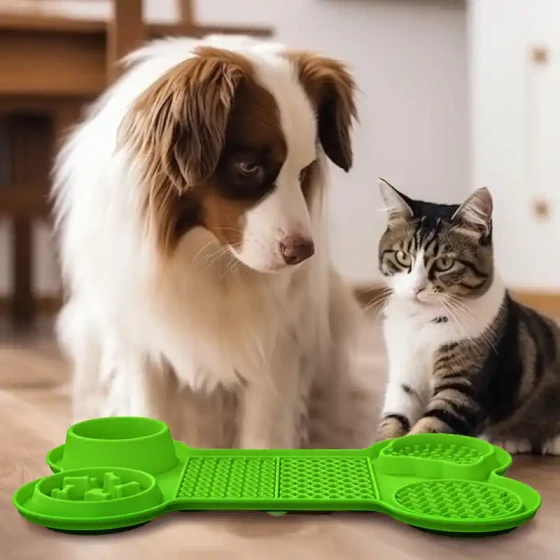
- Use a slow feeder bowl: Bowls designed with obstacles can effectively slow down the cat’s eating speed and prevent them from wolfing down food.
- Feed separately: If there are multiple cats at home, separating feeding can reduce competition and allow timid cats to eat more peacefully.
- Check food:
- Food freshness: Ensure the cat food has not spoiled or expired.
- Gradual food transition: If you recently changed cat food, try gradually switching over 7-10 days so the cat’s stomach adapts slowly.
- Consider food allergies: If suspected, consult a veterinarian and try switching to hypoallergenic or easily digestible prescription food.
- Help expel hairballs:
- Regular brushing: Especially during shedding seasons, brush your cat daily to reduce ingested hair.
- Feed hairball control products: Feed cat grass, hairball paste, or choose cat food containing hairball control ingredients to help hair pass through the digestive tract.
- Reduce stress:
- Provide a stable environment: Avoid situations that scare or unsettle the cat.
- Increase companionship and play: Distract the cat and alleviate anxiety.
- Observe and record: Carefully observe frequency of vomiting, vomit characteristics (undigested food, foam, hair, blood, etc.), mental state, appetite, water intake, and normal bowel movements. This information is helpful for the vet's diagnosis.
When to seek immediate medical attention?
If your cat exhibits any of the following, please take it to a veterinarian immediately:
- Frequent vomiting: Vomiting many times in a short period or continuous vomiting for several days.
- Abnormal vomit: Vomit containing blood (red or coffee-colored), foreign objects, or yellow-green foam (possibly bile).
- Depression, loss of appetite, lethargy.
- Diarrhea, especially if bloody or foul-smelling.
- Abdominal pain or discomfort.
- Signs of dehydration: Poor skin elasticity, dry gums.
- Significant weight loss.
- Suspected ingestion of foreign objects.
The veterinarian will determine the specific cause of vomiting through detailed history inquiry, physical examination, and possibly further tests (blood routine, biochemical tests, X-rays, ultrasound, etc.) and provide appropriate treatment plans. Do not give your cat medication on your own, especially human drugs, to avoid causing more serious consequences.
Frequently Asked Questions
- Is it normal for a cat to occasionally vomit undigested food once?
If a cat only occasionally vomits undigested food once and shows normal spirit and appetite afterwards, it may be caused by eating too fast or indigestion, generally not a big issue. However, if it happens frequently, vigilance is needed. - How to tell if a cat is vomiting or regurgitating?
Vomiting is an active process, with noticeable abdominal contractions and gagging motions. Regurgitation is relatively passive, usually occurring soon after eating, with food coming back from the esophagus into the mouth, mostly undigested without significant abdominal effort. Distinguishing this is important for diagnosis; try recording a video of the cat vomiting or regurgitating for the vet. - What does it mean if a cat vomits yellow liquid?
Vomiting yellow liquid usually involves stomach fluids mixed with bile, which may indicate the cat has fasted too long and excessive stomach acid secretion is causing vomiting. Small frequent meals may help improve this.
In summary, cats having appetite but vomiting immediately after eating can have causes ranging from minor to serious. As responsible pet owners, we need to observe carefully, understand possible triggers, and seek professional medical help promptly when necessary to ensure the health and happiness of our furry friends.

-560x560.webp)