


Care Knowledge for Irish Wolfhounds
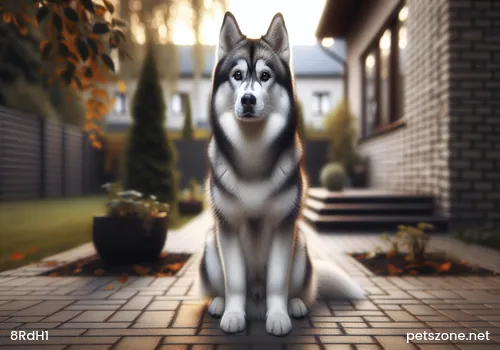
The Irish Wolfhound is a large dog breed with a lifespan of only 6-8 years. For people, this short period may seem like a stage, but for the Irish Wolfhound, it is their entire life, so it is important to take good care of and look after them during the raising process.
Care Knowledge
Coat Care
To make the Irish Wolfhound’s coat glossy and beautiful, it is necessary to feed the dog more protein-rich food.
The food must contain certain amounts of Vitamin E and Vitamin D. It is appropriate to add some seaweed, vegetables, lean meat, cooked egg yolks, vegetable oil, and so on. Try to feed less food high in sugar, salt, and starch. From my personal experience, giving the dog roasted pork liver once a week is very beneficial for the growth of the coat.
Secondly, often let the dog get some sunshine; additionally, brush the dog's coat daily to stimulate blood circulation in the skin and promote hair growth.
Anal Gland Care
Many Irish Wolfhounds are pampered by their owners and become chubby, which can cause enlarged anal glands. When the owner notices the dog often squatting on the ground and moving forward with its front legs to rub its bottom, or the dog constantly tries to bite its bottom, but the skin near the bottom shows signs of dermatitis, or small pustules appear slightly left or right below the dog's anus, these are signs of problems with the anal glands.
The anal glands help dogs identify each other because each dog's anal gland scent is different. This is why dogs often greet each other by sniffing each other's bottoms besides greeting with kisses. Additionally, in the wild, dogs mark their territory by leaving anal gland secretions on grass and plants. But dogs living indoors often have less exercise and reduced leg muscle strength, limiting their ability to expel excess anal gland fluid, leading to accumulation, blockage, and swelling of the glands. This results in a foul odor and can cause inflammation, bleeding, or even rupture. Therefore, when bathing the dog, the owner can help clean the anal glands to keep the dog healthy.
For cleaning the anal glands, it is recommended to ask the dog's veterinarian to demonstrate once to grasp the technique accurately. If owners pay attention to these three areas, they will find the dog's odor improves significantly and also reduce the chance of illness. If you love your dog, give this a try.
Eye and Ear Care
When a dog has eye disease, common symptoms include eyelid redness, swelling, and heavy discharge, often with eye mucus in the eye corners. At this time, careful eye care is required with frequent cleaning to remove eye mucus. Method: Use 2% boric acid cotton balls or cooled boiled water to gently wipe from inside to outside of the eye. Wiping back and forth on the eye is strictly prohibited. Make sure the eye is cleaned thoroughly. After wiping, apply eye drops or eye ointment to protect the eyes and reduce inflammation.
Dogs also frequently develop earwax. When earwax builds up excessively inside the ear, the dog feels uncomfortable and can develop inflammation. So their earwax needs regular cleaning. Method: First, disinfect the external ear canal with alcohol cotton balls. Be careful not to drip alcohol into the ear. Then, moisten hardened earwax with 2% boric acid water or warm water to soften it, and slowly remove it with small tweezers. Make sure not to insert the tweezers too deeply, remain highly focused, and if the dog’s head moves suddenly, immediately remove the tweezers to avoid injuring the eardrum or puncturing the ear canal membrane, which could cause infection.
Dogs produce a lot of saliva which acts like water and helps clean the mouth and aid digestion. A healthy dog's mouth is clean and does not require special care. However, when sick, dogs produce less saliva, making the mouth very dry and causing plaque buildup on the teeth, which can lead to tooth decay. To protect the dog’s teeth, clean plaque from the teeth by wiping with a cloth soaked in salt water or brushing the teeth.
Brushing method: One person holds the dog’s mouth open to keep it stable, another uses their right hand with a rubber bulb filled with water to spray water on the teeth, and the left hand brushes the teeth until plaque is removed. Besides this, frequently feeding the dog animal bones such as pig bones or lamb bones satisfies the dog’s chewing desire and helps grind teeth.
Puppy Care
The best time for a veterinarian to check the pet's skin, coat, ears, and nails is during vaccination. Take this opportunity to discuss the best grooming methods for your pet. During puppyhood, it is recommended owners use a soft-bristle brush following the direction of hair growth and gently brush the coat. Long-haired pets especially need care, and early training is better. Teach grooming, nail trimming, and other home care as part of training. Also, start a home flea prevention program.
Unless special circumstances, puppies under 3 months generally do not need baths. The first bath is usually after adult hair grows in and vaccinations are completed. Bathing time can be adjusted by climate, but generally, soft-haired and long-haired pets are bathed more frequently than short-haired ones. Consider applying conditioner for long-haired breeds. Owners without time should ask groomers to help trim or manage the coat. Shortening the coat can prevent many skin problems, but some cold-climate breeds with dense hair should not have short haircuts because it may cause bald spots after trimming. Ear cleaning should also begin during puppyhood, especially for breeds prone to ear diseases such as Cocker Spaniels. Generally, before maturity, special ear cleaning is not necessary, but introducing the cleaning process is important.
The veterinarian clinic and pet stores offer many ear cleaning products. It’s best to ask staff for demonstrations before purchase.
Most pets dislike having their paws handled or nails trimmed. However, starting nail trimming during other pet training processes can greatly help future nail care. Owners will appreciate trimming sharp nails shorter. Nail length should be checked each clinic visit and trimmed if too long.
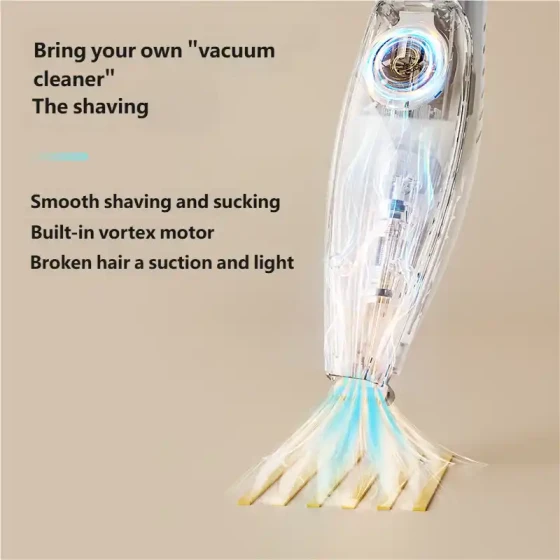
For a large dog, walking and running are common. Since paw hair grows quickly, it can cause slipping during walking or running, so paw hair also needs regular grooming. It is best to buy a clipper, which will be more convenient.
-560x560.webp)
-560x560.webp)