


Which Kind of Pet Cat Is Good_Differences in Advantages and Disadvantages of Different Cat Breeds
Choosing a suitable pet cat is like finding a tacit partner; their personality and lifestyle must be compatible to make both "cat life" and "owner life" full of joy. Different cat breeds each have their unique traits, from lively and active to quiet and clingy, from easy-care short hair to long hair needing careful grooming. Understanding their advantages and disadvantages can help you find the one that fits you best.
The Charm of Pet Cats: Why Choose to Keep Cats?
In this fast-paced era, cats have won countless hearts with their unique charm. Unlike dogs, they don't require frequent walks, are quiet and independent, yet deeply affectionate and dependent on their owners. For many urban white-collar workers and homebodies, cats are undoubtedly ideal companions. Waking up to a cat’s purring in the morning and enjoying their small acts of affection like rubbing against your feet at dusk makes cat ownership a healing experience.
How to Choose Your Suitable "Meow Star"?
When choosing a cat, you can't judge just by appearance and fall in love at first sight. "Different strokes for different folks"; what's suitable for others might not suit you. You need to consider comprehensively your lifestyle, living environment, time and energy, and preferences for cat personality to find the little partner whose "fate" matches yours.
1. Overview of Common Popular Cat Breeds
There are many common pet cat breeds on the market now, each with its unique charm and habits. Let’s take a detailed look at some of the popular cats:
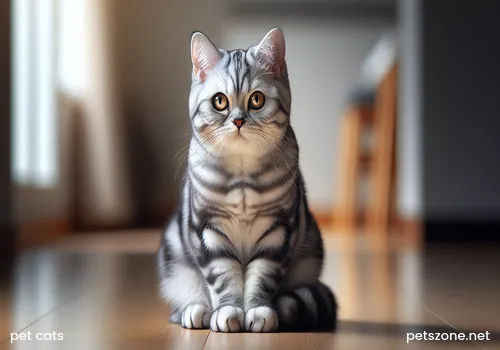
1. British Shorthair (Briefly "Brit")
- General Characteristics: The Brit is loved for its round face, sturdy body, and gentle, steady personality. It is nicknamed "blue chubby" or "walking gas can".
- Advantages:
- Gentle and good-tempered: Brit has an easygoing personality, rarely gets angry, very suitable for families with children or elderly. They are calm and steady, quiet, and can entertain themselves when owners are not home.
- Strong adaptability: Not sensitive to changes in the environment, adapts well to apartments or large houses.
- Quiet: Known for being silent, they only "speak up" when necessary.
- Easy to groom hair: Their short and dense hair is relatively easy to maintain, brushing a few times a week is enough.
- Disadvantages:
- Prone to obesity: After kittenhood, Brits become steadier and less active, which makes them easy to gain weight. Diet control is necessary, avoiding high-calorie treats.
- Shed hair: Although short-haired, Brits still shed, especially during seasonal changes, requiring regular grooming.
- Possible health issues: Genetically might have risks of hypertrophic cardiomyopathy and type B hemophilia, requiring owners’ attention.
- Simple-minded and cute: Some think they’re a bit "clumsy", not very clever and quick-witted.
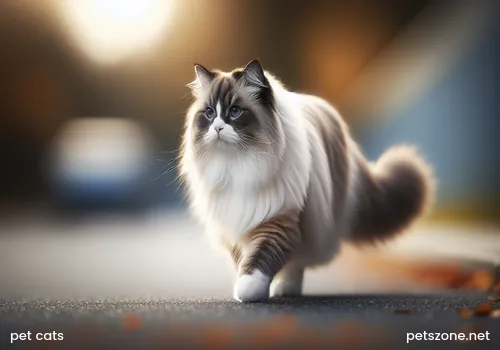
2. Ragdoll Cat
- General Characteristics: The Ragdoll is known as the "fairy among cats", famous for its high beauty, soft coat, and gentle, clingy personality. They have a large size, reaching up to 1 meter in length when adult, and feel like a plush doll when held.
- Advantages:
- High beauty: Possessing beautiful blue eyes and luxurious thick long fur, widely acknowledged as the "beauty ceiling".
- Gentle and affectionate: Very friendly to humans, highly tolerant even of kids’ antics, described as "dog-like" cats. They are clingy and lack self-protection instincts, thus suitable only as pets under human care.
- Quiet: Likes quietness, with soft and sweet meows, not loud or noisy to disrupt rest.
- Strong social skills: No fear of strangers; can quickly blend with family members and other pets.
- Disadvantages:
- Expensive: Ragdolls are purely artificially bred and rare, prices generally high; a quality Ragdoll can cost from 5,000 to 15,000 RMB.
- Delicate digestive system: Very sensitive and fragile stomachs, prone to soft stools or diarrhea, requiring special diet like hypoallergenic, grain-free food.
- Hard to groom hair, heavy shedding: As long-haired cats, their dense hair sheds all year round, prone to matting; daily brushing and regular baths needed, requiring a lot of care effort.
- Average intelligence: Some believe Ragdolls are of moderate intellect or a bit "slow", may take longer to learn basics like litter box use.
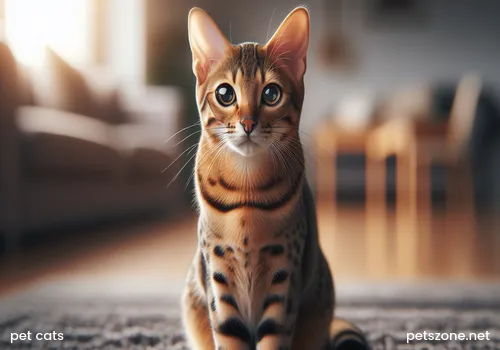
3. Siamese Cat
- General Characteristics: The Siamese cat is jokingly called the "coal miner" because of its dark-colored face, ears, paws, and tail tips against a lighter body color, which changes with body temperature and seasons. They are lively, smart, and chatty "talkers".
- Advantages:
- Smart, loyal, and clingy: High intelligence, easy to train, can learn interactive games like fetching balls. They are very loyal, dog-like in clinginess, and love interacting with humans.
- Highly social: Friendly and warm, quickly adapts to new family members, especially good with children and babies, and coexists peacefully with other pets.
- Active and playful: Full of energy, loves play and exploration, needing enough activity space and toys.
- Disadvantages:
- Loud voice: Famous for being talkative with a loud meow, not suitable for owners who prefer quiet environments.
- Needs companionship: May become naughty or develop separation anxiety if left alone for long periods.
- Prone to genetic diseases: Susceptible to skeletal diseases (especially pelvis and tail) and neurological hereditary diseases such as "kinked tail" and "crossed eyes".
- Cold-sensitive: Due to coat color characteristics (darker in colder areas), Siamese cats are sensitive to cold and require warmth.

4. Maine Coon
- General Characteristics: Maine Coon is one of the largest domestic cat breeds globally, known as the "gentle giant". Their dense fluffy fur makes them look like little lions.
- Advantages:
- Gentle and friendly personality: Stable temper, affectionate to humans, and gets along well with children and other pets.
- Intelligent and easy to train: Higher intelligence, enjoys interaction and play.
- Affectionate: Despite large size, very clingy and loves attention.
- Disadvantages:
- Large size, big appetite: As a large cat, they consume 2-4 times more food than average cats, making the cost relatively high.
- Complex coat care: Long, fluffy fur requires regular grooming to prevent matting and heavy shedding, at least weekly brushing needed.
- Needs large space: Energetic and likes activity; limited space may cause irritability, so families with yards are more suitable.
- Heat-sensitive: Dense fur makes them prone to discomfort in hot weather, requiring a cool environment.
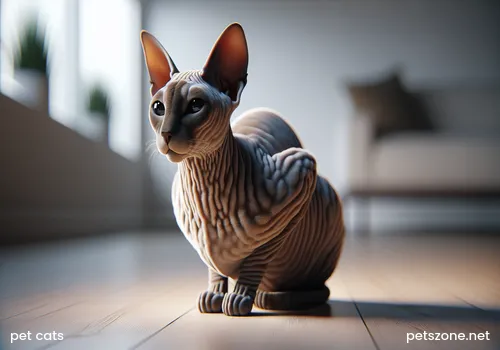
5. Tabby Cat
- General Characteristics: Tabby cats are native natural cat breeds in China, with thousands of years of history, known as "little tigers" for their unique striped pattern.
- Advantages:
- Strong independence: Less dependent on owners, has its own mindset and space, suitable for busy office workers.
- Good physical condition: Naturally selected breed with strong disease resistance and immunity, rarely ill, called the "wanderer among cats".
- Loyal to owner: Though independent, very loyal to owners and will become affectionate if raised from a young age.
- Strong adaptability: Quickly adapts to urban apartments or rural surroundings.
- Intelligent and alert: High IQ, observant, even knows how to open doors to find food.
- Disadvantages:
- Strong wildness: Retains strong wild traits, curious and energetic, known to "destroy home" if not supplied with enough toys and scratching posts.
- Stubborn temper: Sometimes aloof, not expressive emotionally, may fight back when scolded, a relatively "bossy" personality.
- Dislike being confined: Enjoys freedom and may try to "wander" outdoors.
- Hard to tame: Compared to other breeds, may need more patience and guidance from owners.
6. Persian Cat
- General Characteristics: Persian cats are among the most common long-haired cats worldwide, famous for their flat face, bright big eyes, and luxurious long fur, with a noble and elegant appearance.
- Advantages:
- Gentle and quiet personality: Affectionate, sociable, mild-tempered, low-key, unlike other cats that meow a lot, suitable for indoor keeping.
- Low activity requirement: Relatively low exercise needs, likes to relax quietly, suitable for small living spaces.
- Friendly to people: Gets along well with children and other cats and dogs in the household.
- Disadvantages:
- High grooming demand: Long hair prone to matting and shedding, requires regular (preferably daily) brushing and cleaning, a challenge for owners.
- Many health issues: Prone to respiratory problems (due to flat face), eye tearing, dental issues, and hereditary kidney diseases, requiring regular checkups and higher medical costs.
- Low adaptability: Sensitive to environment changes and does not like frequent moves or changes.
- Low curiosity: Easily gains weight, owners need to spend more time playing and increasing activity.
2. Other Breeds Worth Noting
Besides the popular breeds above, there are other distinctive cats:
- American Shorthair: Easygoing, playful, strong adaptability, friendly to children and other pets, often the first cat for many owners, genetically stable and healthy.
- Munchkin Cat (Sausage Cat): Has short legs due to genetic mutation but flexible body, lively and friendly personality, playful and close to humans.
- Russian Blue: Emotionally subtle but not clingy, loves sunbathing, quiet. Although appearing "cold", innately warm-hearted. Studies call it the "most intimidating breed", but some think it's suitable for indoor life.
- Sphynx Cat (Hairless Cat): Unique due to lack of hair, sensitive to temperature, requires regular baths and moisturizing. Outgoing and cheerful, enjoys human interaction and attention-seeking.
- Abyssinian Cat: Active and sociable, easily bonds with family members, expresses feelings through meowing but requires ample activity.
- Devon Rex: Unique appearance with curly short hair, lively and playful, loyal to owners and described as "elves among cats".
- Selkirk Rex: Distinctive curly fur, friendly personality, strong adaptability, emotionally rich, enjoys play, and gets along well with family and other pets.
3. “Self-checklist” Before Getting a Cat
Before deciding to bring a cat home, consider these questions:
- Living space size: Do you live in a spacious villa or a cozy small apartment? Active cats need more space to romp, while quiet cats fit smaller homes better.
- Time for companionship: Are you a 9-to-5 office worker or a freelancer working from home? Some cats are clingy and require lots of attention; others are more independent.
- Tolerance for shedding: Can you accept cat hair regularly in your home? Long-haired cats generally shed more and need more grooming.
- Financial capability: Besides the cat purchase cost, can you afford daily expenses like cat food, litter, vaccines, deworming, and medical care? For example, a Ragdoll can cost between 5,000-15,000 RMB, and Maine Coons eat 2-4 times more food, making upkeep costlier.
- Allergy issues: Is anyone in the family allergic to cat hair?
- Patience and responsibility: Cat ownership is a long-term commitment. Cats usually live 12-15 years. Are you ready to take on this responsibility with enough love and patience?
Daily Care “Secret Manual” for Cats
No matter which breed you choose, scientific and rational daily care is essential; it concerns not only the cat’s health but also the harmony between you and your feline friend.
1. Diet Management:
* Select appropriate cat food: Choose balanced nutrition food or canned food according to the cat’s age (kitten, adult, senior), weight, and health condition.
* Feed on schedule and in appropriate amounts: Avoid overeating, feed 2-3 times daily, ideally finishing within 10 minutes each time.
* Adequate water: Ensure cats always have access to clean drinking water, consider using a flowing water fountain.
2. Grooming:
* Regular brushing: Especially for long-haired cats, daily brushing; short-haired cats 1-2 times weekly to reduce shedding, prevent mats, and hairballs.
* Regular baths: Not all cats need frequent baths; short-haired cats can bathe every 1-2 months, long-haired more frequently. Many cats dislike baths and need early adaptation.
3. Nail trimming:
* Trim regularly: Overlong nails affect walking and may scratch themselves or others. Recommended every 2-3 months.
* Provide scratching posts: To protect furniture and cultivate healthy scratching habits from a young age.
4. Environment hygiene:
* Litter box cleaning: Clean daily, keep dry and clean; ideally one litter box per cat plus an extra.
* Regular cleaning: Clean cats’ activity areas, bedding, toys, and disinfect bowls regularly.
5. Health check and vaccinations:
* Regular checkups: Recommended annual vet visits for health screening and timely treatment.
* Vaccinations: Cats require vaccines like feline panleukopenia, leukemia, feline viral rhinotracheitis; kittens usually start vaccination after 3 months.
* Deworming: Regular internal and external deworming to prevent parasite infections, especially toxoplasmosis affecting human health.
Frequently Asked Questions
Q1: What cats are suitable for beginners?
A1: For beginners, British Shorthair, American Shorthair, and Ragdolls are good choices. They generally have gentle personalities and strong adaptability. However, Ragdolls require more attention to their digestive system and coat care, so beginners should be prepared.
Q2: What to do about cat shedding?
A2: Cat shedding is normal, especially during seasonal changes. Regular grooming (daily or several times per week) and choosing suitable cat food containing Omega-3 fatty acids can effectively reduce shedding.
Q3: Do cats need bathing? How often?
A3: Cats clean themselves by licking and don’t need frequent baths like dogs. Short-haired cats can bathe every 1-2 months, long-haired cats need more frequent baths. If the fur is dirty or there are skin problems, baths should be given promptly.
Q4: What to do if cats bite or scratch?
A4: Biting or scratching may be due to overplay, fear, stress, or discomfort. Providing sufficient toys and scratching posts, along with patient guidance and training, helps improve behavior. For serious cases, consult a professional pet behaviorist or vet.
Q5: How much does it cost to keep a cat?
A5: Costs vary by breed, lifestyle, and medical needs. The purchase price ranges from hundreds to over ten thousand RMB. Monthly expenses include food (100-300 RMB), litter (50-100 RMB), treats and toys, vaccines (initial 300-500 RMB), deworming (50-100 RMB), and neutering (300-800 RMB for males, 500-1500 RMB for females). [Note: These costs are estimates; actual prices depend on local markets.]
Q6: Can cats eat human food?
A6: It is not recommended. Human food may be unsuitable for cats’ digestive systems, causing indigestion, obesity, or poisoning. Always choose cat-specific balanced nutrition food.
Summary
Choosing a pet cat means choosing responsibility, companionship, and happiness. Whether it’s the gentle "blue chubby" Brit, the high-beauty "fairy" Ragdoll, or the loyal and smart "coal miner" Siamese, every breed has unique charms and points to watch. This detailed "cat encyclopedia" aims to help you find your most suitable "meow star" and start a warm and happy cat-keeping journey. After all, the joy of having a cat can only be truly understood through personal experience!
References:
* Quanfengjia (2024). British Blue Cat Breed Guide: Care, Management, and Personality.
* Royal Canin (2024). Understanding Siamese Cats.
* NetEase (2021). 10 Best Indoor Cat Breeds, Check If Your Cat Fits.
* NetEase (2025). Exploring Siamese Cats! Characteristics, Emotional Needs Revealed, Key Care Tips.
* NetEase (2023). The Divine Chinese Tabby Cat Yet Rarely Kept—Do You Know Why?
* Bull Pharmaceutical. Personality Analysis of Chinese Tabby Cats.
* Yahoo News (2023). Suitable Cat Breeds for Families with Listed Advantages and Personality Traits.
* LINE TODAY (2025). A Full List of 21 Cat Breeds | Essentials Before Keeping Cats.
* ShareBa! (2025). Is Persian Cat Easy to Keep? Breed Introduction, Personality, Pros and Cons.
* Stinky Cat Zoo (2025). What is the British Shorthair Blue Cat? Breed Characteristics, Personality, and Care.
* NetEase (2020). "Coal Miner" Siamese Cats: Dog-like Personality, Loyal and Clingy, Why Fewer People Keep Them?
* Yahoo News (2025). Top Five Cat Breeds Most Suitable for Families! Ragdoll Ranks Fifth; The First Is Unexpected.
* NetEase (2022). 3 Benefits and 4 Drawbacks of Keeping a Ragdoll—Would You Still Want One?
* SofyDOG (2024). Maine Coon Exploration: The Charm of the Furry Royalty.
* Bull Pharmaceutical. Five Key Points for Daily Cat Care.
* Collection 2010 Duchess (2023). Pros and Cons of Ragdolls, Decide After Reading!
* Miaomeng Network (2022). Four Important Tips for New Owners Raising Maine Coons.
* Petlook365 (2024). Five Key British Shorthair Blue Cat Features, Dare You Keep?
* Quanfengjia (2025). How to Properly Raise Maine Coons? Beginner’s Guide and Practical Tips.
* Royal Canin (2025). Are Meow Stars Hard to Understand? Analysis of Six Common Cat Breeds’ Personality and Preferences.
* Wikipedia (2025). List of Domestic Cat Breeds.
* Wikipedia (2025). 家貓品種列表.
* LINE TODAY (2024). 20 Most Common Cat Breeds | Happy Pet Magazine.
* Niuniu News (2022). "Siamese Cat" Seven Traits! Distinctive Face, Nicknamed the Coal Miner Little Critter, Is It Really Hard to Keep Fat Short-Hair Cats?
* Sina (2019). So Many Advantages of British Blue Cats, Are You Sure You Don’t Want One?
* Sina (2020). Advantages and Disadvantages of British Blue Cats.
* Chongwuyouwang. Cat Breed Encyclopedia.
* (2025). How to Do Daily Cat Care? What to Pay Attention to When Raising Cats?
* Bull Pharmaceutical. What Are the Disadvantages of Ragdolls? Would You Still Like to Keep One?
* ShareBa! (2024). Pros and Cons and Personality of Persian Cats, Are Persians Easy to Keep?
* ShareBa! (2024). Pros and Cons and Personality of Persian Cats, Are Persians Easy to Keep?
* Stinky Cat Zoo (2025). Maine Coon Traits, Personality, Care, and Common Health Issues.
* Pendle Hill Vets. New Kittens and Daily Care.
* Furmomo. Persian Cat Personality, Disadvantages, and Health Problems.
* Biotong (2021). Seven Cat Personality and Behavior Traits.
* NetEase (2020). How Much Does a Persian Cat Cost? Top Ten Pros and Cons of Persian Cats | Pet Cat.
* Royal Canin (2023). Different Personalities of Meow Stars? Six Common Cat Breed Personality, Preferences & Care Tips.
* PetTalk: Saying Pets (2019). Don’t Neglect Daily Care Just Because Cats Are Clean | Vet Wang Shanqun.
* NetEase (2022). Overly Clingy Tabby Cats with a "Bossy" Personality—Only Those Who Raise Them Know Their Good Sides.
* MaoWorld. Must-read for New Cat Owners! 7 Easy Cat Care Tips.
* NetEase (2020). Cat Breeds Suitable for Beginners, High Beauty, Good Temperament, Unforgettable at First Sight | Raising Cats.
* Sina (2018). Three Major Disadvantages of Ragdolls—Maybe This Is the Price of Being a Little Fairy.
* YouTube (2021). 5 Breeds Most Suitable for Family Keeping (Orange Cat Speaks 7).
* Bull Pharmaceutical. Chinese Tabby Cat Personality Traits.
* NetEase (2023). What Are Ragdoll Pros and Cons? Is It Good to Keep a Ragdoll?
* Scientific Pet Raising Guide (2025). Latest Maine Coon Guide and Precautions.
* (2024). Exploring the Charming World of Siamese Cats: Breed Features, Personality Analysis, and Care Guide.
* HOOOS (2025). Want to Understand Your Cat Better? Feline Groomer’s Thorough Compilation of Cat Breed Personalities and Behaviors!
* Pinkoi Design Journal (2024). Must-read for Cat Lovers! Personality Analysis of 10 Major Cat Breeds.
* NetEase (2018). Little-known Cool Facts About Tabby Cats, Take a Look!





-560x560.webp)