

Which Cats Are Easier to Raise and More Docile_Recommended Most Suitable Docile Cat Breeds for Home Raising
For those who hope to have a gentle, easy-to-manage furry companion at home, choosing the appropriate cat breed is crucial. Generally, Ragdoll, British Shorthair, American Shorthair, and Exotic Shorthair cats are considered easier to raise and more docile due to their generally friendly nature, strong adaptability, and relatively low activity levels, making them very suitable for home raising. Of course, each cat has its unique personality, and breed traits only provide a reference range.
Having a cat is like adding a special member to your family. Many people dream of owning a cat that is both beautiful and well-behaved, greeting them warmly after work or enjoying its warmth while cuddling on the sofa. Choosing a "cat breed that is easy to raise and docile" will undoubtedly make this dream easier to realize. But remember, apart from the innate breed tendencies, the cat’s personality development is also decisively influenced by the upbringing environment, the owner’s companionship, and training.
Recognized Docile “Little Angel” Breeds
Some cat breeds are naturally known for their gentle and friendly personalities. They tend to be more tolerant of humans and other pets and adapt easily to family life.
Ragdoll

When it comes to docility, Ragdolls are definitely a name you cannot avoid. They are famous for their unique "ragdoll" trait—when you hold them, they relax their bodies and go limp in your arms like a soft rag doll. Ragdolls have very gentle, affectionate personalities, are friendly to children, dislike vigorous exercise, and tend to quietly accompany their owners. Their fur is soft and dense, often in colorpoint, mitted, or bicolor patterns, with a pair of charming blue eyes. Although Ragdolls shed quite a bit and require regular grooming to prevent matting, their calm nature makes grooming relatively easy. According to market conditions, a healthy Ragdoll cat can be pricey, usually costing from several thousand to over ten thousand RMB.
British Shorthair
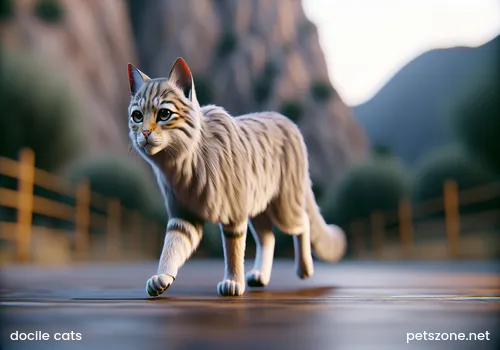
British Shorthair is another very popular domestic cat breed. They have a rounded body, sturdy bones, a distinctive "chubby face," and dense short fur. British Shorthairs typically have a calm and independent personality, unlike Ragdolls they don’t require constant attention and can entertain themselves well. They are not overly clingy but enjoy staying close to their owners and being petted. British Shorthairs are highly adaptable and usually don’t get stressed by environmental changes. Their short fur is relatively easy to maintain, requiring grooming once or twice a week. Common colors include blue (also known as "blue chubby"), cream, white, and others.
American Shorthair
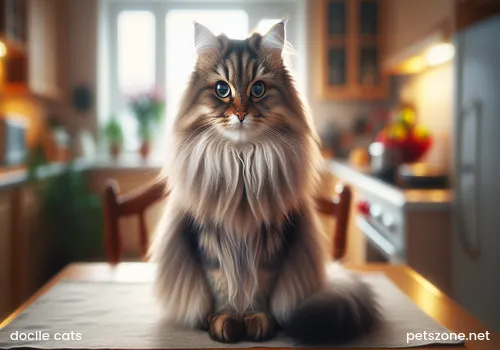
American Shorthair is a working cat originating from North America. They have retained the strong, healthy physique and friendly, easygoing personality of their ancestors. American Shorthairs are highly adaptable and can fit well into various home environments, whether it's an apartment or a house with a yard. They are friendly to children and other pets, enjoy playing, but are not overly active or destructive. Their independence is moderate; they enjoy interacting with their owners but can also entertain themselves. Their short fur is easy to maintain and they are relatively less prone to hereditary diseases, making them a good choice for beginner cat owners.
Exotic Shorthair
Exotic Shorthairs can be described as the shorthaired version of the Persian cat. They inherit the calm, affectionate, and quiet traits of Persians but, due to their short fur, are much easier to groom. Exotic Shorthairs are docile and love to be spoiled and cling to their owners, being typical "couch potatoes" who enjoy lying on their owner’s lap. It’s important to note that due to their flat faces, they may suffer from tear staining and respiratory issues, requiring extra careful cleaning and care from their owners.
Choosing a Cat Is More Than Breed
Although breed traits provide a general direction, many other factors must be considered when choosing a cat:
- Age: Kittens are energetic and require more playtime and training; adult cats have stable personalities and usually adapt better to new environments; senior cats require more rest and specialized care.
- Gender: Typically, neutered male and female cats have little difference in personality, but intact cats may exhibit behaviors like spraying or calling during heat.
- Individual Personality: Even cats of the same breed have unique personalities. Spend time interacting and observing the cat’s behavior before adopting or buying.
- Lifestyle: If you are busy and often away from home, choose a relatively independent breed; if you have children or other pets, choose a cat with a friendly and easygoing personality.
- Environment: Ensure your living environment is suitable for cats, such as whether pets are allowed, sufficient space, and safety measures.
How to Help a Cat Become More Docile?
Besides choosing the right breed, an owner’s careful care and scientific guidance can help a cat develop a gentle personality:
- Early Socialization: Expose kittens to different people, sounds, and environments to help build their confidence and adaptability.
- Gentle Treatment: Avoid yelling or punishing cats; use gentle language and physical contact.
- Provide a Rich Environment: Provide ample toys, cat trees, and hiding spots to make cats feel safe and comfortable.
- Regular Grooming and Cleaning: Many cats enjoy being groomed, which helps maintain healthy fur and strengthens the bond with owners.
- Adequate Companionship and Interaction: Spend time playing and communicating daily to make cats feel loved and cared for.
Frequently Asked Questions
Q: Do breeds truly determine a cat’s personality?
A: Breed traits indicate genetic predispositions and provide a general personality range, but the environment, socialization, and owner interaction have greater influence on a cat’s character development.
Q: How much does it cost to raise a cat?
A: Costs include cat food, litter, toys, deworming, vaccinations, physical exams, and potential medical expenses. Depending on spending levels and cat health, monthly expenses may range from several hundred to over a thousand RMB.
Q: What to do if my cat sheds heavily?
A: All cats shed to varying degrees. Regular grooming, high-quality food, and a clean environment help reduce shedding. Certain heavy-shedding breeds may require daily grooming.
Q: I’m allergic; can I still keep a cat?
A: Cat allergies are mainly caused by proteins in cat dander. Some breeds (such as Devon Rex and Cornish Rex) may produce fewer allergens but are not totally hypoallergenic. If allergies are severe, consult a doctor or get allergy tests before adopting, and consider mitigating symptoms by frequent cleaning and using air purifiers.
Summary
Choosing a docile and easy-to-raise cat adds joy to your life and is an exciting process. Ragdoll, British Shorthair, American Shorthair, and Exotic Shorthair are all good beginner choices. However, remember the most important factor is not the breed but your heartfelt understanding and care for your feline companion. Every life deserves gentle treatment; with time and effort in companionship and guidance, you will surely have a healthy, happy, and docile furry family member.
References:
Articles on Ragdoll cat personality and care from pet websites.
Articles on British Shorthair personality and grooming characteristics from pet websites.
Articles on American Shorthair personality and adaptability from pet websites.
Articles comparing Exotic Shorthair and Persian cats and their characteristics from pet websites.
Popular science articles on low-allergen cat breeds.