


Indoor Cats' Expected Lifespan_Scientific Answer to How Many Years House Cats Can Live
For cats living in indoor environments, their expected lifespan is typically much longer than that of outdoor or stray cats. Generally speaking, a healthy indoor cat can live on average 12-18 years. This is thanks to a safer living environment, stable food sources, and better medical care. Of course, how long a cat lives specifically is influenced by many factors; some cats can even live over 20 years, and the record for the longest living cat is as high as 38 years.
Why Do Indoor Cats Live Longer?
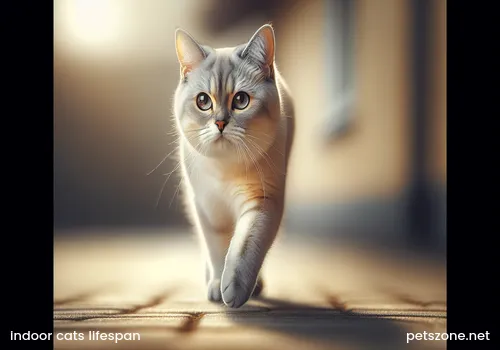
"Cats have nine lives" is just a saying; in reality, cats' lifespans are not that magical. The main reason indoor cats have longer lives is that they avoid many potential dangers:
- Traffic accidents: For outdoor cats, traffic accidents are one of the leading causes of death. Vehicles speeding on the road pose a huge threat to them.
- Predators and fights: Wild predators, such as birds of prey and foxes, as well as fights with other cats or animals, may cause injuries or even death to cats.
- Diseases and parasites: Compared to indoors, the outdoor environment exposes cats to various infectious diseases and parasites such as fleas, ticks, and worms, which threaten their health.
- Toxic substances: The outdoors contain many substances harmful to cats, like rat poison and insecticides.
- Extreme weather: Harsh weather conditions like severe cold or extreme heat can also impact cats' health.
Indoor life provides cats with a relatively stable and safe environment, greatly reducing these risks and allowing them to enjoy their "cat life" more peacefully.
Other Factors Affecting Cat Lifespan
Besides the living environment, many factors affect how long a cat lives. Just like humans, genetics, lifestyle, and medical conditions are all crucial:
- Genetics and breed: Some purebred cats may have lower genetic diversity and are more prone to certain hereditary diseases, thus affecting their lifespan. In contrast, Chinese native cats (like tabbies) usually have stronger genetics and a lower risk of inherited diseases, potentially living longer; this is often referred to as "mixed breeds are healthier." For example, some specific breeds such as Siamese and Maine Coon cats are known for longevity. Breeds like Munchkin cats, though cute, may have skeletal issues causing joint problems and need more careful care.
- Spaying or neutering: Spaying/neutering can significantly reduce the risk of reproductive system-related diseases like pyometra or mammary cancer, helping to extend lifespan. Studies show neutered cats typically live 3-4 years longer than intact cats on average.
- Diet and weight management: Balanced nutrition is vital for a cat's health. Long-term consumption of monotonous or unhealthy food can lead to obesity, diabetes, kidney diseases, etc., which shorten lifespan. Maintaining a healthy weight, just like humans controlling "beer bellies," benefits cats’ joints and internal organs.
- Medical care: Regular veterinary check-ups and vaccinations are key to preventing diseases and detecting health problems early. Like human medical examinations, they enable timely diagnosis and treatment, thereby extending cats' lives.
- Lifestyle and mental health: While indoor cats are safe, lack of exercise and stimulation may cause boredom or anxiety. Providing a rich environment, such as cat trees and toys, plus plenty of playtime, keeps cats happy physically and mentally, indirectly influencing lifespan.
Conversion Between Cat Age and Human Age
Many wonder how old a cat corresponds to in human years. The old saying of "one cat year equals seven human years" is not entirely accurate. A more scientific conversion is: a cat's first year equals 15 human years, the second year equals 24 human years, and every additional year is approximately equivalent to 4 human years.
(This table is a rough conversion; individual differences still exist.)
The chart shows cats grow very quickly in the early stages and slow down after reaching adulthood. From 10 years old onwards, they gradually enter old age.
Care for Senior Cats
As cats age, their physical functions decline gradually, much like "old babies" who require more care and attention.
- Diet adjustment: Senior cats’ digestion decreases, so they may need easier-to-digest and nutritionally balanced senior cat food. Increasing wet food proportion or softening dry food can help with eating. Also, supplement nutrients needed by older cats, such as Omega-3 fatty acids, which benefit cardiovascular health and joints.
- Increase water intake: Senior cats commonly develop kidney issues and constipation. Encouraging more water drinking is important; placing multiple water bowls at home or using a flowing water fountain can help, as some cats prefer "running water."
- Monitor physical changes: Closely observe senior cats’ weight, appetite, water intake, urination and defecation habits, and behavior changes. Any abnormalities may signal illness.
- Regular check-ups: It is recommended that cats older than 7 years have comprehensive physical exams every six months. Veterinarians can detect early-stage diseases such as kidney disease, hyperthyroidism, diabetes, arthritis, etc. Early diagnosis and treatment can effectively control conditions and improve quality of life.
- Dental care: Dental problems are very common in senior cats and can cause pain, eating difficulties, or affect overall health. Regular tooth brushing or using dental products is especially important for older cats.
- Provide a comfortable environment: Arthritis is common in older cats; they may avoid jumping or climbing high. Adjust the height of cat trees, provide litter boxes with low edges, making them easier to use. Offering warm and cozy cat beds also helps them feel more comfortable.
- Mental stimulation: Senior cats also need moderate exercise and mental stimulation, which can be met through gentle toys and interactive play.
Frequently Asked Questions
- Do indoor cats always live longer than outdoor cats? In most cases, yes. Indoor environments are safer, avoiding many outdoor risks. But if an indoor cat has genetic diseases or suffers accidents, its lifespan may also be shorter.
- How to tell if a cat is entering old age? Generally, cats enter middle age around 7 years old, and 10 years and above are considered senior. Physical signs may include cloudy eyes, graying or coarser fur; behavior may become less active with increased sleep time. Regular vet check-ups provide a more accurate health assessment.
- What diseases are common in senior cats? Common diseases include kidney disease, hyperthyroidism, diabetes, arthritis, dental problems, heart disease, and cognitive dysfunction.
- Does neutering extend a cat's lifespan? Yes, neutering can reduce the risk of certain diseases and thus help prolong a cat's life.
Overall, indoor cats tend to have a longer average lifespan due to their safe and comfortable living environment. However, many factors including genetics, diet, medical care, and lifestyle influence a cat's longevity. As caretakers, providing scientific feeding, regular check-ups, a safe and comfortable environment, along with sufficient love and companionship, helps your "master" live a healthy and happy longer life.
-560x560.webp)