

How to Teach Cats to Use the Toilet_Cat Toilet Training Method
Teaching cats to use the toilet sounds like a challenge pushing human intelligence to its limit, after all, cats are naturally equipped with the skill of “deep burying merits,” making it tough to get them to give up their comfortable litter box in favor of stepping onto a smooth, cold toilet seat and even facing the bottomless flushing whirlpool… This leap is more than just a few steps in distance. Simply put, teaching cats to use the toilet is possible, but far from easy, requiring extreme patience and a deep understanding of cat habits, and not all cats are suitable or willing to accept it.
Regarding cat toilet training, it especially refers to training them to use human toilets, which is like the “moon landing project” in the pet world, with very few successes, but some people tirelessly keep trying. The main reasons are to get rid of the hassle of cleaning the litter box, eliminate possible litter odors indoors, and save a considerable amount of money on cat litter. Sounds great, doesn’t it? However, behind this lies a challenge to the cat’s nature.

Understanding Cat Nature: Why Do They Like Litter?
Before starting this “toilet transformation,” we must first understand why cats like to go in litter. According to animal behavior studies, cats dig and bury their waste out of an instinct rooted in their wild ancestors. This is both to hide their scent to avoid predators and to mark territory without being too conspicuous. The texture of litter, whether clay, bentonite, or other materials, provides the grip and digging depth required for this natural behavior. Therefore, forcibly removing them from this comfort zone is counterintuitive.
Step-by-step "Toilet Advancement Path"
If you’ve decided to take on this project, prepare for a “long battle.” This process usually takes weeks or even months and must follow a core principle: slow, especially slow, so slow you question the cat’s life but the cat feels natural. There are some specialized cat toilet trainers on the market, usually composed of a series of nested plastic rings with holes, all based on gradual guidance.
- Stage One: Move Closer to the Toilet
- Gradually move the cat’s original litter box a few centimeters or tens of centimeters per day toward the bathroom.
- Make sure this moving process is extremely slow, allowing the cat to fully adapt to the new location without stress from environmental change. The ultimate goal is to place the litter box next to the toilet.
- Stage Two: Raise the Height
- Once the litter box is stable next to the toilet, start gradually elevating it using stable objects such as sturdy boxes, stacks of old books or magazines, or special risers.
- Each elevation should not be too high, perhaps only a few centimeters at a time, letting the cat gradually get used to jumping to a higher place to use the toilet. The goal is to eventually raise the litter box to the same height as the toilet seat.
- Stage Three: Litter Box on the Toilet
- Carefully and securely place the elevated litter box on the toilet lid (of course, the lid must be flat).
- Ensure the litter box is very stable on the toilet lid and does not wobble, so the cat does not feel uneasy or fearful of falling. The cat needs to adapt to eliminating in such a small and potentially unstable place.
- Stage Four: Introduce Toilet Trainers or Alternatives
- Now it’s time to replace the litter box with a specialized toilet trainer (usually with some litter inside) or a container placed on the toilet seat (first with litter).
- At this stage, the cat needs to go on the toilet seat and get used to the hollow space beneath.
- Stage Five: Reduce Litter and Add Holes
- If you use a nested ring toilet trainer, start gradually reducing the amount of litter inside.
- When using a trainer with holes, you can begin removing the innermost ring, exposing a small hole so part of the waste falls directly into the toilet.
- This process must also be very slow. Each time you remove a ring or enlarge the hole, observe the cat’s reaction to ensure adaptation. Cats need to get used to waste falling into water and splashing, which may go against their nature.
- Stage Six: Complete Removal
- When all the rings are gradually removed, or the hole size is sufficient and the cat is nearly using the toilet water's surface to eliminate, you can try removing the trainer entirely, letting the cat use the toilet seat directly.
- This stage is the endpoint of the training and also the hardest part. Some cats will totally refuse at this step and revert to eliminating anywhere.
Keys to Success and Potential Pitfalls
- Patience! Patience! Still Patience! This is not a quick course; don’t expect to finish in days. Any impatience or coercion could ruin progress.
- Positive Reinforcement: Reward immediately when the cat eliminates in the correct spot (as the trainer’s position and structure change), such as treats, toys, or verbal praise. Help the cat associate “eliminating on the toilet” with a pleasant experience.
- No Punishment: If the cat eliminates elsewhere, just clean it up without yelling, hitting, or forcibly dragging the cat to the toilet. Punishment will only cause fear and anxiety and may increase inappropriate elimination.
- Thorough Cleaning: If accidents occur, use specialized enzymatic cleaners to completely remove urine or feces odors to prevent repeat errors in the same location.
- Observe Cat’s Signals: Watch for signs of stress or anxiety, like excessive grooming, loss of appetite, behavioral changes, or clear refusal to use the toilet. If strong negative reactions appear, this training may not suit the cat.
- Not Suitable for All Cats: Very young cats (poor balance, underdeveloped cognition), older cats (physical decline, joint issues), cats with health problems (urinary diseases that require monitoring waste), or shy, sensitive cats may not be ideal candidates. Some cats simply do not like it and forcing it is meaningless.
More Important Than Success: Thinking from the Cat’s Perspective
Although teaching cats to use the toilet sounds cool, we really should ask ourselves, is this truly beneficial for the cat?
- Instinctual Suppression: Digging and burying are important innate behaviors for cats. Depriving them of this right may lead to stress and behavioral problems in the long term.
- Balance and Security: The toilet seat is smooth and narrow, challenging a cat’s balance, especially when half asleep at night. Also, cats are vulnerable when eliminating; they prefer secure, concealed places. The empty space above the toilet might make them uneasy.
- Health Monitoring: The litter box is an important window for owners to observe the cat’s health. Observing waste shape, color, smell, amount, and the elimination behavior (effort, frequency) can detect early potential diseases like urinary infections, kidney problems, or digestive issues. If cats use the toilet directly and flush away, these important signs become difficult to catch.
- Cleanliness Issues: Cats jump down after using the toilet. If their bottom or paws touch the water, they could carry bacteria to other areas at home. Moreover, whether cats can accurately get all waste into the water every time is unknown.
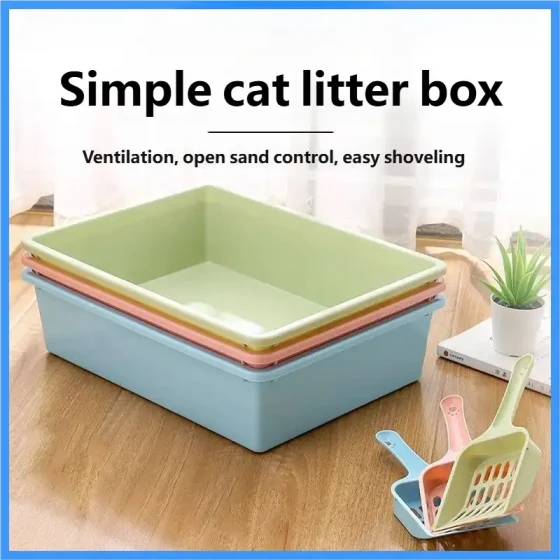
So before ambitiously starting this training, weigh the pros and cons. Is it for your convenience to challenge the cat’s nature, or should you respect their needs and provide a comfortable, safe, instinct-appropriate toilet environment? Perhaps an easy-to-clean, well-ventilated litter box or investing in a reliable automatic litter box fits their cat way better than making them “hang” on the toilet, and is more in line with our duty as responsible cat owners.
The final choice is yours, but remember, the cat’s happiness and health should always come first.