


How to Ship a Pet Cat_A Complete Guide to Safely Consign Cats
If you want to safely and smoothly consign your pet cat, the owner needs to be as meticulous as "embroidery," carefully handling everything from initial preparations, choosing the appropriate shipping method to precautions during the journey. Every step must be done without negligence. This not only affects the cat's physical health but also concerns their fragile little hearts.
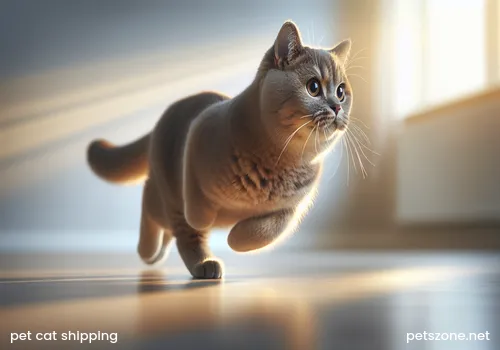
Shipping a cat isn’t as simple as stuffing them into a cage and sending them to the destination; it’s a major task that requires careful planning. Whether moving house, on a business trip, or traveling, ensuring the cat's safety and comfort during transportation is every cat parent’s top responsibility. This article will explain in detail how to safely consign your cat, so your "fur baby" can arrive at their new home peacefully.
Why Ship Cats Safely?
Cats, as sensitive animals that react strongly to environmental changes, can easily become stressed when facing unfamiliar surroundings, noises, and vibrations. Stress may cause decreased appetite, vomiting, diarrhea, or even trigger underlying illnesses. Therefore, choosing the right shipping method and making thorough preparations not only minimizes the cat’s discomfort but also shows responsibility for their life and health. Just as we need to adapt when moving to a new environment, cats also require a smooth transition process.
Shipping Methods Revealed: Which One Suits You?
Currently, the common methods for shipping pet cats mainly include air transport, rail transport, and professional pet shipping companies (road transport). Each method has its characteristics and applicable scenarios. Cat owners should choose based on their situation and the cat’s traits.
1. Air Transport: Speed with Restrictions
- Advantages: Fast, suitable for long distances across provinces or even international transport, greatly shortening travel time and reducing stress risks for cats.
-
Disadvantages:
- Many Restrictions: Airlines have strict regulations for pet shipping, such as cage size, pet weight, breed restrictions (e.g., brachycephalic cats are usually not allowed because their short airways increase risk of respiratory problems in low-oxygen environments at high altitude), and seasonal shipping bans during hot summers or cold winters.
- Complex Procedures: Advance handling of quarantine certificates, vaccination records, and other documents is required.
- Higher Costs: Usually charged as "excess baggage" or "special cargo," fees range from several hundred to over a thousand RMB.
- Stress Risks: Although the flight time is short, noise, pressure changes, and separation from the owner can still cause considerable stress to the cat.
-
Process Highlights:
- Consult the Airline in Advance: Understand the specific pet shipping policies, fees, and flight restrictions.
- Obtain Quarantine Certificate: Have your cat undergo a health check at a qualified veterinary hospital and apply for the "Animal Quarantine Certificate" at the local animal health supervision office. This step usually needs to be completed 7-10 days before departure.
- Choose a Qualified Pet Carrier: The carrier must meet IATA (International Air Transport Association) standards, be sturdy, well-ventilated, leak-proof at the bottom, equipped with fixed water and food containers, and allow the cat to stand, turn around, and lie down freely inside.
- Book an Oxygen Cabin: Pets are usually transported in the airplane’s oxygenated cargo hold, so you need to apply and confirm this with the airline in advance.
2. Rail Transport: Stable but Restricted
- Advantages: More stable than air transport with less noise and pressure changes, possibly causing less stress to cats. Some trains (e.g., certain high-speed trains) may allow pets to travel with owners (with the corresponding procedures and cages), but most require consignment. Cost is usually lower than air transport.
-
Disadvantages:
- Slower Speed: Regular trains take longer, not suitable for cats needing urgent arrival.
- Not All Trains Offer Service: Some bullet trains and high-speed trains may not provide live animal transport service; you need to check with the railway authorities.
- Procedures: Health quarantine certificates are also required.
-
Process Highlights:
- Consult the Railway Bureau in Advance: Confirm whether the destination station provides live animal shipping, along with specific procedures and timing requirements.
- Prepare Documents and Cages: Similar to air transport, you need health quarantine certificates and railway-compliant pet carriers.
- Complete Consignment Procedures: Go to the designated luggage storage room a few hours before departure to ship your cat.
3. Road Transport (Professional Pet Shipping Companies): Worry-Free Choice
- Advantages:
- Door-to-Door Service: Professional pet shipping companies usually offer pick-up and drop-off services, sparing the owner the trouble.
- Dedicated Care: Experienced staff care for the cat during transit, regularly providing water, cleaning waste, and even offering comfort.
- Less Stress: Compared to flying, road transport usually causes less stress and is gentler for cats.
- Disadvantages:
- Higher Cost: Service fees are higher than purely transportation costs by air or rail.
- Longer Duration: Depending on distance, travel time might be longer.
- Selection Tips: Make sure to choose a qualified, reputable company with live animal transport experience. Check online reviews or ask friends who have shipped pets.
Must-See Before Departure: Preparations Before Shipping
"To do a good job, one must first sharpen one's tools." Adequate preparation before shipping is the key to success.
1. Health Check and Vaccination
Before shipping, take your cat to the vet for a thorough health examination to ensure it is healthy and has no latent diseases. Also, make sure vaccinations (such as rabies and the feline triple vaccine) are up-to-date and properly administered. The vet will issue an "Animal Health Immunization Certificate" and an "Animal Clinical Examination Report" based on results, which are necessary for obtaining the quarantine certificate.
2. Choose the Appropriate Transport Cage/Airline Carrier
The transport cage is the cat’s "mobile castle" during the journey, so its selection is crucial.
- Size: Ensure the cat can stand, turn around, and lie down freely without feeling cramped inside.
- Material: Choose sturdy, durable, and well-ventilated materials, such as airline-grade plastic or metal mesh. The cage door lock must be secure to prevent the cat from escaping.
- Internal Features: Install fixed water and food bowls in the cage to ensure the cat can hydrate anytime. The bottom can be lined with absorbent mats or newspapers for easy waste cleaning.
- Advance Familiarization: At least one week before shipping, let the cat get used to and like entering the carrier. Place familiar blankets and toys inside, or feed it in there to help the cat feel the cage is a safe "refuge" rather than a "prison."
3. Food and Water
It is recommended to stop feeding the cat 4-6 hours before shipping to prevent vomiting caused by motion sickness. However, water is essential. Fix a water dispenser inside the cage to ensure the cat can drink during transportation. For long journeys, you may prepare a small amount of dry food, but avoid large meals before shipping.
4. Emotional Comfort and Stress Relief
- Familiar Scents: Place the cat's favorite blanket, clothing with the owner’s scent, or toys in the cage to help the cat feel secure in unfamiliar surroundings.
- Pheromone Spray: Some cat-specific pheromone sprays (such as Feliway) are available commercially, which can be sprayed inside the cage to simulate the "happy pheromones" secreted by cats’ cheek glands, helping to alleviate anxiety.
- Avoid Excessive Sedatives: Unless explicitly instructed by a vet, do not administer sedatives or calming drugs arbitrarily. Some drugs may cause side effects under high altitude or prolonged transport conditions and should only be used under professional veterinary guidance.
5. Document Preparation
Organize all necessary documents (such as the "Animal Quarantine Certificate," "Animal Health Immunization Certificate," vaccination booklet, owner's ID copy, shipping order, etc.) in advance and carry them with you for emergencies.
On Shipping Day: Ensure Everything is Perfect
- Arrive Early: Whether at the airport or train station, allow plenty of time to complete procedures and avoid rushing.
- Double Check: Recheck the transport cage for damage, confirm the door lock is secure, and the water dispenser is properly fixed.
- Communicate with Staff: Inform the staff during consignment that there is a live animal inside and ask for proper care.
- Collect Cat Promptly Upon Arrival: Pick up the cat as soon as possible and check its health condition.
How Much Does It Cost?
The cost of shipping pet cats varies depending on the mode of transportation, distance, the cat’s weight, and whether a professional pet shipping company is chosen. Approximate ranges are as follows:
- Air Transport: Usually charged by the total weight of the cat plus carrier, with a minimum fee. Domestic flights typically cost 20-50 RMB per kg. Including quarantine and cage fees, total costs may range from 400 to 1500 RMB or higher.
- Rail Transport: Relatively cheaper, charged by weight or distance, generally between 100 to 500 RMB, excluding cage and quarantine fees.
- Professional Pet Shipping Companies (Road): Offer door-to-door service, prices are higher and depend on distance and extra services, possibly 500 to 2000 RMB or more.
These costs are for reference only; actual charges should be confirmed case by case.
Frequently Asked Questions
- Can brachycephalic (short-nosed) cats be shipped?
Generally not recommended for air transport, as their short airways make them prone to respiratory difficulties in low-oxygen environments, posing life-threatening risks. Some airlines refuse to ship short-nosed cats. Land transport is advised. - Can pregnant cats be shipped?
Shipping pregnant cats is not advised. Due to their vulnerable physical condition, stress may cause miscarriage or premature birth, posing significant risks to both the mother and kittens. - Will cats be hungry during transportation?
Usually, fasting is advised before shipping to avoid vomiting. During long trips, transport companies provide water, and some professional shipping services may provide small amounts of food or feed en route. Owners can fix a water dispenser inside the cage but generally should avoid placing large amounts of food. - Should cats be sedated before shipping?
Only if a vet diagnoses severe stress or behavioral issues and prescribes medication should sedatives be used. Otherwise, unauthorized sedation is discouraged due to unpredictable side effects during flight or long transport, which may endanger the cat’s life. - How long does pet shipping take?
Air transport is the shortest, usually taking a few hours on domestic routes. Rail transport time varies by distance, ranging from several hours to a day. Road transport depends entirely on distance and may take from hours to days.
Friendly Tips and Summary
Shipping pet cats is a complex process requiring owners to invest sufficient time and effort to plan carefully. Early consultation, thorough preparation, and gentle care are key to ensuring cats arrive safely. Remember, cats are family members, and their health and safety come first. We hope this guide helps your "little master" start a safe and pleasant journey to their loving new home!
References
- Air China Ltd. "Air China Pet Transportation Service Guide."
- Baidu Encyclopedia. "Pet Shipping."