


How Often Should Cats Be Bathed_Scientific Bathing Frequency
Bathing cats is a topic that is often controversial and conflicted among veteran cat owners. Some follow the minimalist principle of "don’t bathe unless necessary," while others insist on the ritual of "regular cleaning." So, how often is scientifically appropriate to bathe a cat? What little-known "cat secrets" are hidden behind this? Don’t rush, let me peel back the truth for you step by step.
Key Point: For most healthy indoor cats, due to their strong self-cleaning ability, they don’t need to be bathed as frequently as dogs. The scientific bathing frequency may be far less than you imagine, generally recommended once every 3-6 months, even 1-2 times a year is enough. But the specific frequency needs to be flexibly adjusted according to the cat’s individual situation, breed, living environment, and health condition.
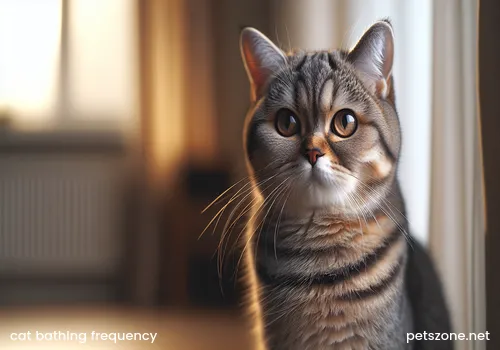
1. Cats: Born "Clean Freak Masters" With Natural "Dry Cleaning" Skills
Let’s first talk about why cats don’t need to be bathed as frequently as dogs. It’s not because they are naturally "wash-free," but because the Creator gave them a highly efficient self-cleaning system that makes humans sweat with envy.
Think about it, when awake, cats can spend 24% to 50% of their time licking their fur. This isn’t boredom, but an important survival instinct and physiological need. The cat’s characteristic tongue, covered with backward-facing barbs (imagine the feel of sandpaper, but much gentler), is like a natural combination of a “fur comb” and a “dirt brush.” By licking, they effectively:
- Remove dirt and dust: The barbs on the tongue hook dirty stuff and loose dead hair from their coat.
- Comb fur: Keep the fur smooth and reduce matting (especially for long-haired cats, although sometimes mats still form).
- Distribute natural oils: The cat’s skin secretes sebum, which acts as a "natural conditioner" for healthy and shiny fur and provides some waterproofing. Licking evenly spreads these oils on the fur, keeping the skin moist. Frequent baths can actually damage this valuable natural barrier.
- Regulate body temperature: When hot, saliva evaporation helps cool the cat down.
- Mask scent: Wild felines need to clean themselves to cover their scent to avoid being detected by prey and to prevent tracking by other predators. Although domestic cats no longer need to hunt for survival, this deeply ingrained habit remains.
So you see, in most cases, cats manage to keep themselves neat and tidy, even emitting a faint, unique "cat scent" (some describe it as popcorn or nutty aroma). Forcing an inherently clean "germaphobe" to bathe frequently challenges its limits and may even backfire.
2. When Is It Necessary to "Break the Rule" and Bathe? Special Cases Call for Special Treatment
Of course, there are exceptions. Although most cats are self-cleaning experts, in certain specific situations, artificial bathing becomes necessary. It’s like a usually healthy person needing to see a doctor when they catch a cold.
The following situations may require considering a bath for your cat:
- Stuck with "unknown substances" or harmful materials: This is the most common and urgent case. If a cat accidentally gets paint, asphalt, glue, engine oil, or other toxic, irritating, foul-smelling, and hard-to-remove substances on its fur, it must be bathed immediately. Otherwise, when grooming, the cat may ingest these harmful substances causing poisoning or digestive problems. In this case, don’t hesitate, act immediately!
- Skin diseases or parasite issues: If the cat has skin diseases such as seborrhea, dermatophytosis (ringworm), bacterial infections, or parasites like fleas or mites, the vet may suggest medicated baths as part of treatment. Frequency and use must follow strict veterinary instructions.
- Decreased self-cleaning ability: Some cats, especially elderly, obese, or those with arthritis, may be unable to reach all body parts, resulting in oily, matted fur or bad odors in certain areas. In such cases, human intervention to help clean is needed.
- Specific breeds: Certain breeds have special fur or skin needs. For example, hairless cats (like Sphynx) lack fur to absorb skin oils and may need baths weekly to remove excess oils and dirt. Long-haired cats, while self-grooming too, tend to accumulate dirt and mats more easily and may need more frequent baths—about every 1-3 months.
- Allergy issues: If family members are allergic to cat dander, regular baths can reduce airborne allergens to some extent. But be careful with frequency to avoid overbathing.
- Recently adopted stray cats: For hygiene and health reasons, newly rescued strays usually require a bath, provided their health is stable and they show no stress or illness.
3. What Is the Actual Bathing Frequency? A Dynamic Balance Philosophy
Back to the core question: how often? Combining advice from veterinarians and experts domestically and abroad, we can get a relatively scientific guideline range:
- Most healthy indoor short-haired cats: Bath once every 6 months to 1 year, or even longer. As long as they can groom themselves well, the fur is not oily or smelly, and you regularly brush them, bathing is rarely necessary. Some vets even think healthy indoor cats can go their whole life without baths, with daily brushing and spot cleaning (e.g., using pet wipes on paws, chin, or dirty areas) being enough.
- Healthy indoor long-haired cats: Due to fur characteristics, may need somewhat more frequent baths, recommended every 3-6 months. Regular brushing remains key to reducing bath frequency.
- Hairless cats (Sphynx, etc.): These require regular baths since they lack fur to absorb oils and their skin easily traps dirt. About once a week is recommended.
- Cats with special conditions: As stated earlier, frequency should be based on specific needs and veterinary advice. Cats with skin diseases may need more frequent medicated baths; elderly or obese cats adjust according to their grooming ability.
Highlight: Bathing frequency is not a fixed rigid rule but a strategy that needs dynamic adjustment based on the "cat situation." Observe your cat, understand its habits, and decide based on real circumstances. Overbathing, especially with unsuitable products, can strip natural oils from their skin, causing dryness, itching, sensitivities, and breaking the skin barrier, potentially triggering skin problems. It’s like washing your face daily with strong detergents; your skin will eventually suffer.
4. If Bathing Is Unavoidable, How to Make the "Ordeal" Smoother?
Even with a low frequency, there will be times when cats need a bath. Cats are naturally not very fond of water (possibly related to their ancestors originating from deserts), so bathing is often a stressful "ordeal". How to make this process as smooth and gentle as possible? Here are some tips:
- Choose the right timing: Best to bathe cats when they are relaxed, such as just waking up or after playing and burning some energy. Avoid when they are energetic or in a bad mood.
- Be well prepared: Prepare all necessary items in advance: cat-specific shampoo (never human products, as their skin pH is different and human products may contain harmful ingredients), several absorbent towels, non-slip mat (placed inside the tub or basin), a water scoop or small basin (for rinsing and to avoid sudden shower noise scaring the cat), and some treats for rewards. Make sure the bathroom door is closed to prevent "escape attempts." Trim the cat's nails beforehand to reduce the risk of scratches.
- Control water temperature: Use warm water at about 38℃ (100℉), comfortably warm but not hot.
- Gentle handling: Move gently and slowly, soothing the cat with a calm voice while bathing. Start wiping with a wet towel to help the cat adjust, then gradually wet the body. Avoid getting water in the cat’s eyes, ears, and nose.
- Quick and efficient: Keep bath time short and brisk.
- Thorough rinsing: Make sure all shampoo or bathing products are fully rinsed to avoid skin irritation.
- Patient drying: Immediately towel dry after the bath, then use a pet-friendly hairdryer (careful with temperature to avoid overheating) or warm blower to dry the fur, especially for long-haired cats, to prevent chills or matting. The noise might scare cats, so acclimate them to the sound beforehand or choose quieter models.
- Positive reinforcement: Reward immediately after bathing with treats, play, or praise to help the cat associate bathing with a positive experience.
If the cat strongly resists and gets stressed during bathing, don’t force it. Forcing may cause severe stress and damage your trust relationship. In such cases, consider using pet dry shampoo powders, pet wipes for spot cleaning, or seek help from professional pet groomers.
5. Daily Care Is the Key
Rather than worrying about bathing frequency, put more energy into daily care.
- Regular brushing: This is the most important way to maintain healthy fur and skin, especially for long-haired cats. Daily or weekly brushing removes dead hair and dirt, reduces hairballs, stimulates blood circulation, and increases bonding with your cat.
- Spot cleaning: Regularly check the cat’s eyes, ears, paws, and chin, and clean with pet wipes or a clean damp cloth if necessary. Pay special attention to ears and eyes to prevent infections.
- Maintain a clean environment: A clean living space is the foundation for cats to keep themselves clean. Regularly clean litter boxes and maintain hygiene in the areas the cat frequents to reduce chances of dirt accumulation.
- Healthy diet and water: Provide high-quality cat food and sufficient clean water to support overall health, including skin and coat condition.
In summary, scientifically bathing your cat centers on understanding their self-cleaning nature: don’t bathe unnecessarily, but bath properly when needed. Frequency is only a reference; more importantly, observe your cat and be a cat-language savvy owner. After all, when they are comfortable and content, you worry less. Isn’t that a win-win?
References:
- White Hall - Hunter's Animal Hospital: How to Bathe a Cat & How Often You Should Do It. (2023-02-28).
- Purina: Bathing Cats: Everything You Need to Know. (2020-11-26).
- Four Paws: Do Cats Need Baths? And If So, How Often?.
- Martha Stewart: How to Give Your Cat a Bath—Plus, How Often You Actually Need to Do It. (2025-02-26).
- Hill's Pet Nutrition: Understanding Your Cat's Grooming Habits.
- Reddit: Any bad effects to giving your cats a shower every 1-2 weeks? (2021-09-08).
- Heho Pets: Should Cats Be Bathed? Vet Answers "1 Key Point": Recommend 2 Baths a Year Only. (2025-04-12).
- Surrey Live: Vet shares how often you should actually be washing your cat. (2025-04-11).
- Darwin's Natural Pet Products: The Essential Guide to Cat Bathing: Do's and Don'ts for Happy Feline Friends. (2023-12-14).
- Bond Vet: Cat Overgrooming: What's Normal and What Isn't? (2022-03-15).
- Reddit: Why are cats so much more focused on cleanliness than dogs? Is there an evolutionary advantage for cats to remain clean and no such advantage for dogs? (2013-08-28).
- Modern Vet Clinic: How often should you bathe a cat?
- : Why do cats obsessively groom themselves and others?.
- : Do Cats Need Baths? 4 Key Daily Cleaning Areas! 5 Important Tips for Choosing Pet Wet Wipes.
- 4 Paws Veterinary Care: Cat Grooming: What's Unusual?
- MetLife Pet Insurance: Do Cats Need Baths? (2023-05-11).
- Anicira: Can I Give My Cat a Bath?
- All Creatures Veterinary Services: Does Your Cat Need a Bath?
- Natural Paws: Can Cats Be Bathed? Bathing Taboos, Frequency, and Step-by-Step Guide. (2025-01-15).
- VCA Animal Hospitals: Grooming and Coat Care for Your Cat.
- Royal Canin: Pet Bathing Strategies: 6 Steps Suitable for Dogs and Cats, Easy for New Pet Parents! (2024-04-24).
- : Indoor Cat Bathing Secrets: How Often Is Scientific? Check If Your Frequency Is Right.
- VMBS News: When You Should—And Shouldn’t—Give Your Cat A Bath. (2022-03-10).
- Star Bahani: Pet Grooming | How Often to Bathe Cats? Bathing Tips and Methods. (2021-03-16).
- YouTube: Should You Bathe Your Cat? A Vet's Perspective. (2021-09-01).
- Cats Protection: Should I bathe my cat? (2016-11-16).
- Reddit: How often (if ever) do you bathe a completely indoor, short-haired only cat? (2023-11-20).
- Douban: How Often Should Cats Be Bathed? When Can They Be Bathed? (2024-05-12).
- : Do Cats Need Regular Baths? (2024-12-28).
- : Bathing Tips for Dogs and Cats.
-560x560.webp)