

Cat Vomiting Brown Semi-Soft Stool_Causes and Responses for Cats Vomiting Brown Soft Stool
Cats vomiting brown semi-soft stool usually indicate problems in their digestive system. This can be caused by various reasons, ranging from simple dietary issues to more severe internal diseases. The brown color may come from undigested food, bile, or, in some cases, the color of upper gastrointestinal bleeding after digestion. Semi-soft stool suggests diarrhea. Although a single occurrence might be minor, if it persists, accompanies other symptoms, or if vomit/stool contains fresh blood or coffee grounds-like substances (possibly indicating gastrointestinal bleeding), immediate caution and veterinary consultation are required.
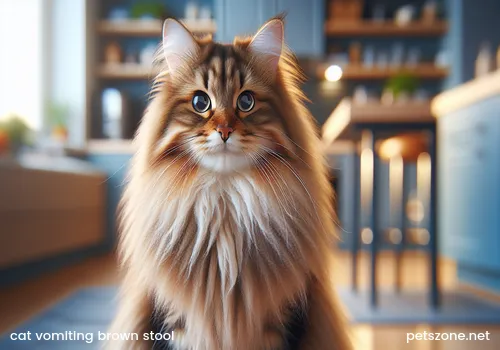
Cats vomiting brown semi-soft stool can worry many pet owners. This symptom combines vomiting and diarrhea (or vomit that looks like stool), with brown color and incompletely formed texture. Understanding the possible causes behind it and taking the right response methods is crucial, as it may be a cry for help from your cat’s body.
Possible Causes of Cats Vomiting Brown Soft or Semi-Soft Stool
The cat’s digestive system is very sensitive, and many factors can cause vomiting and diarrhea. When brown semi-soft stool appears, here are some common causes to consider:
-
Dietary Issues:
- Eating too fast or too much: Cats gobbling food quickly can easily cause indigestion and vomiting.
- Sudden food change: When switching to new cat food, if the transition is not gradual enough, the gastrointestinal tract may not adapt.
- Eating spoiled or inappropriate items: Cats scavenging food from trash bins, human leftovers, or unknown outdoor items may cause gastrointestinal discomfort or poisoning. The brown color may reflect the color of these "unknown source" food residues.
- Food intolerance or allergy: Certain ingredients may trigger gastrointestinal reactions in cats.
- Ingesting foreign objects: Curious cats may swallow threads, small toys, plants, etc. These foreign bodies can irritate or block the digestive tract, causing vomiting and diarrhea. Brown color may come from the foreign object itself or mixed digestion content.
-
Hairballs:
- Cats swallow hair while grooming themselves. A small amount of hair passes out with stool, but if larger hairballs form, they may irritate the stomach lining, causing vomiting. The vomited hairball may be mixed with food residue and bile, appearing brown.
-
Parasite Infection:
- Internal parasites such as roundworms and hookworms damage the cat's intestines, causing inflammation, malabsorption, vomiting, and diarrhea. Long-term parasite infection may cause weight loss and anemia. Brown stool may be mixed with mucus or even blood (digested blood may appear brown or black).
-
Gastrointestinal Infection:
- Bacterial, viral (such as feline panleukopenia, although its symptoms are generally more severe and typical), or fungal infections can cause gastroenteritis, inducing severe vomiting and diarrhea.
-
Inflammatory Bowel Disease (IBD):
- This is a chronic condition characterized by persistent inflammation of the digestive tract wall, causing impaired digestion and absorption with recurrent vomiting and diarrhea.
-
Visceral Organ Diseases:
- Diseases of the liver, kidneys, pancreas, and other organs affect their normal functions, indirectly impacting the digestive system, causing vomiting, poor appetite, etc. These conditions are usually serious and require comprehensive veterinary examination.
-
Poisoning:
- Exposure or ingestion of toxic substances, such as certain plants, cleaning agents, or drugs, causes acute poisoning reactions including severe vomiting and diarrhea. This is an emergency.
-
Stress and Anxiety:
- Cats are sensitive to environmental changes, unfamiliar people, new pets, etc. Excessive stress can lead to stress reactions sometimes manifested as digestive system disorders.
Why Brown and Semi-Soft Stool?
Vomit or stool appears brown often because it contains undigested food mixed in. The color of food and its type affects the discharged matter’s color. Also, if there is mild bleeding in the digestive tract, the blood becomes brown or even black (coffee grounds-like) after gastric acid and digestive enzymes act on it. Semi-soft stool directly points to diarrhea, meaning food passes too quickly through the intestines without adequate water absorption.
Response Methods: What to Do If Your Cat Vomits Brown Semi-Soft Stool?
In this situation, pet owners should stay calm, carefully observe, and act based on the cat’s specific condition.
-
Careful Observation and Record:
- Observe the frequency, amount, color (pure brown or mixed with other colors?), and texture (watery or soft paste-like) of the cat’s vomiting/defecation.
- Note any accompanying symptoms such as lethargy, decreased appetite, reduced water intake, abnormal temperature (ears, nose feeling hot or cold), abdominal pain (resistance or vocalization on touch), pale gums, etc.
- Review recent diet changes or contact with new items or environments.
-
Temporary Fasting:
- If the cat only vomits occasionally and remains generally well, you can try fasting for 12-24 hours (be cautious with kittens or elderly cats for prolonged fasting). Fasting gives the digestive system rest and relieves discomfort.
- Important: Ensure adequate clean drinking water during fasting! Dehydration is very dangerous for cats.
-
Gradual Resumption of Feeding:
- If symptoms improve after fasting and the cat no longer vomits or has diarrhea, start feeding small amounts of easily digestible food multiple times.
- You can choose commercial prescription food (formulated for gastrointestinal sensitivity) or homemade simple foods like boiled boneless, skinless chicken breast or fish (no seasoning), paired with small amounts of soft cooked rice.
- Feed small portions each time and observe the cat’s reaction. If no vomiting or diarrhea recurs, gradually increase the amount and frequency, slowly transitioning back to the original or a more suitable cat food.
-
Immediate Veterinary Consultation Situations:
- The following conditions indicate serious problems and require urgent veterinary visits:
- Frequent vomiting or diarrhea: Multiple episodes in a short time leading to rapid loss of body fluids and electrolytes.
- Vomit or stool containing blood: Whether bright red (lower GI bleeding) or brown/black coffee grounds-like (upper GI bleeding), it is very dangerous.
- Severe lethargy: Cat becomes very quiet, unwilling to move, slow to react.
- Obvious dehydration signs: Poor skin elasticity (skin on neck raised then released bounces back slowly), sunken eye sockets, dry oral mucosa.
- Not eating or drinking for over 24 hours.
- Suspected ingestion of toxic substances or foreign objects.
- Abdominal pain or swelling.
- Cat has other health problems like diabetes, kidney disease.
- The following conditions indicate serious problems and require urgent veterinary visits:
How Veterinarians Diagnose and Treat?
When taking your cat to the vet, describe the symptoms, onset time, vomit/stool characteristics, and recent diet or behavioral changes as precisely as possible.
The vet will conduct a thorough physical examination and may recommend stool tests (to rule out parasites and intestinal flora abnormalities), blood tests (to assess organ function and detect infection), imaging (X-ray or ultrasound to check for foreign bodies, tumors, or other lesions), and even endoscopy or biopsy.
Treatment depends on the specific diagnosis and may include:
- Medications: antiemetics, antidiarrheals, antibiotics (for bacterial infections), dewormers, anti-inflammatories, etc.
- Fluid therapy to correct dehydration and electrolyte imbalances.
- Dietary adjustments: recommended specific prescription diets.
- Surgery: if foreign body obstruction or tumors are present.
Preventive Measures
Although some causes cannot be entirely prevented, you can reduce the risk of vomiting and diarrhea through:
- Providing stable, high-quality diet: Choose cat food suitable for the cat’s age and condition, avoid frequent changes. If switching food, always use a 7–10-day gradual transition.
- Prevent accidental ingestion: Store toxic plants, medications, cleaning agents, and small items safely. If the cat likes chewing, provide safe chew toys.
- Regular deworming and vaccinations: Follow vet recommendations for parasite control and vaccinations to prevent parasitic and infectious diseases.
- Providing clean drinking water: Ensure fresh water is always available.
- Reducing stress: Provide a safe and comfortable living environment, avoid sudden environmental changes.
- Regular health check-ups: At least annual vet visits to detect and treat potential health issues timely.
Frequently Asked Questions
- Is brown semi-soft stool vomiting always a serious problem? Not necessarily. Occasionally, with normal energy and appetite, it may be minor dietary upset. Persistent symptoms, accompanying other signs, or blood presence must be treated as emergencies.
- Can I give human antiemetic or antidiarrheal drugs to my cat? Absolutely not! Human medications differ in composition and dosage and can be toxic or fatal to cats. Medications must be used only under veterinary guidance.
- How to check if my cat is dehydrated? Gently pull the skin on the neck or back; slow skin rebound indicates possible dehydration. Also check if the gums are moist and pink and if the eye sockets are sunken.
Summary
Cats vomiting brown semi-soft stool is a symptom requiring attention. Although causes vary, timely observation, appropriate management, and professional veterinary help are key to ensuring your cat’s health. Remember, your careful care and prompt response are essential guarantees of their healthy and happy life.
References (text form):
- Popular science articles on cat vomiting and diarrhea symptoms from various veterinary clinics and pet health websites.
- General principles from veterinary textbooks on feline diseases.