

Cat Bloody Stool_Causes and Prevention
Bloody stool in cats is not a small matter, but don’t panic to the point of numbness in your limbs—in most cases, immediate veterinary care is needed, especially if accompanied by vomiting or lethargy; if it is only slight blood streaks and the cat’s condition is normal, you can observe for 24 hours and check diet/parasites, but do not delay beyond 48 hours.
Last year, my Ragdoll suddenly had soft stool with blood streaks. At that time, I was staring dumbfounded at that "red alert" in the litter box. After searching through cat owner groups, I realized this matter could be either mild or severe. Later, we did stool and blood tests, and it was diagnosed as a trichomoniasis infection. From then on, I understood that the causes of bloody stool in cats are far more complicated than imagined. Today, I want to share accumulated experience and veterinary knowledge to help other cat owners clarify their thoughts.

1. First Look at the “Stool Blood Pattern”: Color and Distribution Hide Key Clues
Bloody stool in cats presents in more diverse ways than you think. Observing details can help you quickly judge the severity:
- Pure blood in stool: stool is full of blood, bright red or dark red, like mixed with strawberry jam (high possibility of lower digestive tract bleeding, such as colon or rectum);
- Normal stool first, then blood: first half is normal stool, second half contains blood or blood clots (commonly seen in colon problems, such as inflammation or tumors);
- Blood first, then stool: starts with bloody stool, followed by normal stool (may be injury near anus, such as constipation causing rupture around anus);
- Mixed blood in stool: overall dark, cloudy stool (possible upper digestive tract bleeding, such as stomach or small intestine bleeding, with digested blood turning darker).
My cat’s condition was “mixed blood in stool,” dark red color; the vet said we first needed to exclude parasites and inflammation—later stool examination indeed found trichomonad eggs.
2. Six Common Causes of Bloody Stool: From “Minor Issues” to “Major Troubles”
According to a study on 100 cases of feline bloody stool ("Veterinary Clinical Case Analysis"), the most common causes in order are colitis (30%), parasite infection (25%), intestinal infection (18%), constipation (12%), tumor (8%), and others (7%). Specifically:
1. Parasites: The “Prime Suspects” for Bloody Stool in Kittens
Hookworms, roundworms, trichomonads, and cryptosporidium are common culprits. These worms either directly bite the intestinal wall to suck blood (such as hookworms) or cause intestinal inflammation (such as cryptosporidium), leading to mucosal damage and bleeding. Kittens are especially prone due to their strong curiosity and tendency to lick contaminated things containing worm eggs. My cat had trichomonad infection; the vet said trichomonads can live for 3 days in moist environments, so it probably licked an uncleaned cat bowl.
2. Intestinal Inflammation: From “Eating the Wrong Thing” to “Immune Issues”
Improper diet (such as sudden food changes or eating spoiled food), food allergies (sensitive to fish/grains), or autoimmune diseases (such as inflammatory bowel disease) can cause intestinal inflammation. The inflammation causes intestinal mucosa congestion and ulcers; mild cases may have slight blood streaks, severe ones produce "bloody mush". A fellow cat owner’s Ragdoll once ate half a bag of expired freeze-dried food, resulting in 3 days of bloody stool, eventually recovering with antibiotics plus probiotics.
3. Bacterial/Viral Infections: Feline Panleukopenia Is a “Deadly Alarm”
Salmonella and E. coli infections directly damage the intestinal wall; feline panleukopenia (feline distemper) is more dangerous—it attacks intestinal mucosa and white blood cells, with up to 80% mortality in kittens. Typical symptoms include "projectile bloody stool" plus severe vomiting and extreme lethargy. Here, I must emphasize: kittens under 3 months old without full vaccinations, if they have bloody stool, immediately! right now! go to the hospital!
4. Constipation: Hard Stool “Scraping” the Anus
Middle-aged or senior cats or cats on low-fiber diets are prone to constipation. Hard stools rub the anus or even rupture small blood vessels, causing fresh bright red blood attached to the stool surface. The elderly cat "Coal" downstairs suffered this due to long-term dry food and low water intake; his defecation was like "torture". Later, the owner added pumpkin puree and cat grass, and the situation improved.
5. Tumors: The “Hidden Bomb” in Middle-aged and Older Cats
Colon tumors and intestinal cancers are relatively common in cats over 10 years old. Tumors compress the intestines or ulcerate causing bleeding. I once read a veterinary case where a 12-year-old British Shorthair had dark red bloody stool for 2 weeks; the owner thought it was regular inflammation, but a colonoscopy revealed colon adenocarcinoma. Early surgery might have helped, but delays worsened prognosis.
6. Others: Foreign Body Injuries, Coagulation Disorders
Cats swallowing fish bones, plastic shards, or other sharp objects may injure intestines; or platelet deficiency, vitamin K deficiency (e.g., rodenticide ingestion) leads to coagulation issues causing bloody stool. My friend’s cat chewed on embroidery floss; the thread got stuck in the intestine causing bleeding, finally removed by surgery.
3. Should You Take Your Cat to the Vet Immediately for Bloody Stool? Remember These 3 “Must Go” Signs
Many cat owners wonder: "My cat only had one episode of blood streaks, can I observe at home?" My experience is: slight blood streak + eating and playing normally + no other symptoms, you can fast your cat for 4-6 hours (to rest the intestines), give some probiotics (such as Saccharomyces boulardii), and observe for 24 hours. But if any of the following occurs, rush to the vet immediately:
- Large amount of blood in stool: blood more than 1/3 of the stool or watery bloody stool;
- Multiple accompanying symptoms: vomiting (especially yellow bile), lethargy, refusing to eat or drink, abnormal temperature (normal 38-39.5℃, below 37.5℃ or above 40℃ is dangerous);
- High-risk groups: kittens (10 years), unvaccinated cats, or cats with underlying diseases (e.g., diabetes).
A new cat owner once delayed 3 days after seeing bloody stool thinking "maybe just ate something wrong," was later diagnosed with feline panleukopenia and could not be saved—such tragedy can be avoided.
4. Treatment Methods: How Will the Vet “Target the Cause”?
At the hospital, vets usually do basic tests first (blood routine and stool exam), and might take X-rays/ultrasound if tumor or foreign body is suspected. Treatment after diagnosis is targeted as follows:
- Parasites: deworming injection or oral medications (e.g., metronidazole for trichomonas, sulfa drugs for coccidia);
- Bacterial infection: antibiotics (e.g., amoxicillin-clavulanate) + fluid therapy (to prevent dehydration);
- Feline panleukopenia: no specific drug, relies on interferon + fluid therapy + white blood cell boosters, fighting immunity;
- Inflammation/allergy: anti-inflammatory drugs (e.g., prednisone) + hypoallergenic diet;
- Constipation: using enemas/lactulose to soften stool, severe cases require enemas;
- Tumors/foreign bodies: surgical removal + follow-up chemotherapy (tumors) or foreign body extraction (foreign bodies).
My cat had trichomonad infection; the vet prescribed metronidazole + probiotics, after one week no more bloody stools, and follow-up stool tests found no eggs.
5. Preventing Bloody Stool: Start from “Daily Details”
Instead of panicking after your cat has bloody stool, it’s better to prevent it in advance:
- Regular deworming: internal deworming every 3 months (external every month), kittens can be shortened to every 1-2 months;
- Diet management: don’t feed leftovers or expired food, transition new food over 7 days, choose hypoallergenic diets for sensitive cats;
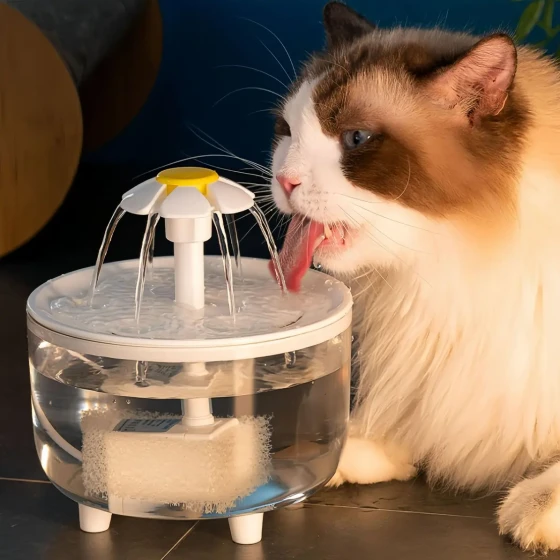
- Hydration + fiber: place multiple water bowls (cats prefer running water), feed wet food 2-3 times weekly for dry food eaters, senior cats can add pumpkin/broccoli (steamed) for fiber supplement;
- Vaccines + health checks: kittens receive feline triple vaccines on schedule (first dose at 2 months, second dose 21 days later, annual boosters after 1 year), senior cats over 10 years get annual biochemistry + ultrasound;
- Clean environment: clean litter daily, disinfect cat bowls/water bowls weekly (using pet-safe disinfectant), avoid exposure to dirty things.
Finally, I want to say: cats can’t speak, bloody stool is their way of "crying for help." As cat owners, we must "stay calm but act quickly"—observe details, judge fast, and don’t hesitate when veterinary care is needed. After all, that bloody stool may hide not just a “minor issue,” but a golden window for early discovery and treatment.