

Can Cat Blood in Urine Heal Itself_B causes, Treatment and Prevention
First the conclusion: Cat blood in urine almost never heals on its own. Delay may cause fatal risks such as kidney failure and urinary blockage, but specific treatment depends on symptoms and causes—mild cystitis might temporarily improve by increasing water intake, but over 90% of cases require immediate veterinary care.
Last year, my ragdoll cat “Mao Tuan” suddenly squatted in the litter box for half an hour, finally urinating only a few drops of bloody urine. I was shaking at the time. After three visits to veterinary clinics, I realized that blood in urine is like a cat's “health alarm,” possibly signaling everything from inflammation to poisoning. Today, let’s break it down thoroughly: from common causes of hematuria, when to rush to the hospital, to daily prevention tips.
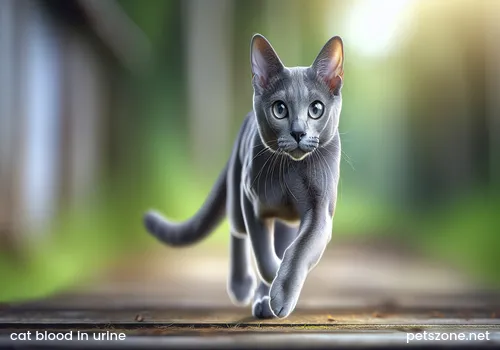
1. Blood in Urine Is Not a "Small Problem": These Causes Almost Never Heal on Their Own
Many new cat owners first think, “Did the cat fall down?” or “Is it just marking because of heat?” But vets often say, “Blood in urine is no small matter; most often it relates to the urinary system.” Based on research and Mao Tuan’s case, among the four main causes, only mild cystitis might be alleviated by drinking more water. Delaying treatment for other conditions even one day is risky.
1. Most Common: Cystitis + Urinary Crystals/Stones (Over 60% of Cases)
This was Mao Tuan's problem. When the vet used ultrasound on the bladder, the screen showed crystals like fine sand—these act like “tiny shards of glass” inside the bladder, scraping the mucosa during urination and causing bleeding.
Where do these crystals come from? Mainly insufficient water intake. Does your cat stare at the faucet but refuse to drink from its bowl? Mao Tuan used to drink only about 50ml per day (normal adult cats need 200-300ml). Concentrated urine leads to elevated minerals like calcium and magnesium, precipitating crystals like salt forming on drying seawater. If crystals grow bigger (even multilayered like pearls), they become bladder stones—which water alone can’t flush out and require medication or surgery.
2. Most Dangerous: Urethral Obstruction (Especially in Male Cats)
Male cats have a narrow, long urethra, making it easy for crystals or inflammatory secretions to clog it. A friend’s British Shorthair ignored bloody urine for two days, resulting in complete urinary blockage—the bladder swelled like a balloon and toxins couldn’t be expelled, nearly causing kidney failure. This requires catheterization within 48 hours; otherwise, death risk is very high.
3. Most Hidden: Kidney Issues (Kidney Failure or Nephritis)
The kidney is a “precision factory” filtering urine. If kidney function declines (e.g., older cats), red blood cells may leak into urine, causing hematuria. This might not show other obvious signs, but blood tests would reveal elevated creatinine and blood urea nitrogen—long-term kidney care is needed; self-healing is impossible.
4. Most Unexpected: Poisoning or Trauma
I once saw a case where a cat ate onion-fried meat, destroying red blood cells and causing hemoglobin in urine (which looks like blood). Another injured its bladder by hitting a table corner while running—both need urgent treatment such as gastric lavage or bleeding control; delaying can lead to shock.
2. When to Rush to the Hospital? Don’t Ignore These Three “Danger Signs”
Some ask, “My cat has blood in urine but still eats and plays, can I watch and wait?” The blunt truth: Cats are natural “pain tolerance experts”, even with bladder full of stones, they may act calm. But if any of these three signs appear, even if mild, seek veterinary care within 24 hours:
- Male cat + frequent squatting but little or no urine: Male cats’ narrow urethra means bloody urine + scant or no urine is 90% a sign of blockage. Mao Tuan could still pass a few drops when first bloody urine appeared; the vet said half a day later it might have blocked.
- Accompanied by vomiting/lethargy: Bloody urine + refusal to eat/drink + vomiting may signal kidney failure or toxin buildup (e.g., high potassium from blockage). Every second counts.
- Dark blood color + blood clots in urine: Light pink hematuria might be mild inflammation, but dark red with clots means heavy bleeding (e.g., large bladder mucosa damage) needing urgent bleeding control and anti-inflammation.
If it’s a female cat with blood in urine but normal appetite and activity, it might be mild cystitis (which Mao Tuan was diagnosed with). You can first try “home emergency care”: switch dry food to wet food (over 70% water content), syringe-feed extra water (100ml daily), and observe for 24 hours. If hematuria lightens and urine increases after 24 hours, take her to the vet for anti-inflammatory meds; if no improvement or worsening, rush to the hospital immediately.
3. Treatment and Prevention: Practical Guidelines from Emergency to Long-Term Management
1. What Examinations Does the Vet Perform?
I accompanied Mao Tuan for full testing and summarize:
- Urinalysis + sediment analysis: To check for white blood cells (inflammation), crystal type (calcium oxalate/struvite, to guide diet adjustments).
- Ultrasound: To detect bladder/kidney stones and bladder wall thickness (to judge inflammation severity).
- Blood routine + biochemistry: To check anemia (long-term hematuria might cause blood loss), and kidney function impairment.
2. Treatments for Different Causes
- Cystitis + mild crystals: Vet prescribes anti-inflammatory drugs (e.g., amoxicillin-clavulanate) + diuretics (to flush urethra). At home, force the cat to drink more water (I bought 3 water fountains, even placed one in the toilet).
- Stones (diameter < 0.5cm): If struvite stones (most common), prescription diets (e.g., Royal Canin urinary) + urine alkalizing meds help dissolve stones; calcium oxalate stones require acidifying urine and possibly surgery.
- Urethral blockage: Requires catheterization + bladder lavage. Post-op catheter remains for days to prevent re-blockage. Male cats may need urethral reconstruction surgery (high risk, choose carefully).
- Poisoning/trauma: Gastric lavage, blood transfusion, or hemostatic drugs with possible hospitalization.
3. Prevention Is More Important than Treatment: 5 Actions to Start Now
- Force your cat to drink more water: Don’t believe “cats naturally hate water.” Mao Tuan now drinks 300ml daily—the secret is a flowing water fountain (cats obsessed with running water), diluting canned food with water as soup, even adding a bit of tuna juice (no salt).
- Control weight: Overweight cats are more prone to urinary stones (fat presses bladder affecting urine flow). Mao Tuan lost weight from 8 to 6 lbs and crystals reduced significantly.
- Regular checkups: Especially for cats over 7 years old; yearly urinalysis + ultrasound can detect crystals early and reverse them through diet.
- Avoid feeding human food: Onions, chocolate, grapes are “cat poison.” My neighbor’s cat ate half a dark chocolate bar, developed bloody urine + seizures, and cost 5000 yuan to save.
- Choose food wisely: Healthy cats can eat normal kibble; cats with urinary problems should eat urinary prescription diets long-term (e.g., Brit Care urinary canned food, with high water content and added glucosamine to protect bladder).
Finally, a heartfelt note: cats can’t speak, blood in urine is their most direct “SOS.” I have seen many owners “wait and see for two days” that ended in urinary blockage or kidney failure—spending a few hundred yuan on tests to save a cat's life is truly worth it.
After all, that little furball who loves rubbing your pant leg and exposing its belly for petting deserves our extra care and timely attention.
-560x560.webp)